
Many Nigerians ask, can solar panels work on cloudy days, especially during the rainy season when the sky stays grey for hours. This concern is understandable. Nigeria receives strong sunlight most of the year, yet cloudy weather still affects daily life and power planning. According to the World Bank Climate Data Portal, Nigeria experiences significant seasonal rainfall patterns that reduce direct sunlight during certain months. Power outages already disrupt homes and businesses, so the fear of losing solar power during cloudy weather makes people hesitate before investing.
Energy uncertainty creates real stress. Business owners worry about productivity dropping when the weather changes. Families fear batteries draining too quickly. Some people have experienced poorly designed systems that fail once sunlight reduces slightly. Others were told solar only works under “hot sun,” which increases doubt and confusion. Misinformation, weak system sizing, and low-quality components often create the wrong impression that solar is unreliable during cloudy periods.
This guide explains clearly whether solar panels truly work when the sun is hidden and how modern systems are designed to handle cloudy conditions. It breaks down how solar panels generate electricity from indirect sunlight, how batteries store excess energy, and how proper engineering makes the difference. It also shows how GVE Group designs smart solar systems that remain dependable even during cloudy days. You will gain practical clarity, realistic expectations, and confidence to make informed decisions about solar power in Nigeria.
Can Solar Panels Work on Cloudy Days?
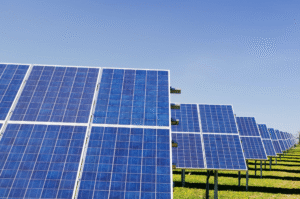
Many people still ask, can solar panels work on cloudy days in Nigeria, especially during the long rainy season. The simple answer is yes. Solar panels generate electricity from light, not from heat. Even when the sky is grey, light still reaches the earth.
Direct vs Diffuse Sunlight Explained
Solar panels use two types of sunlight:
- Direct sunlight – clear rays from a bright sky
- Diffuse sunlight – scattered light that passes through clouds, dust, or haze
Diffuse light is weaker than direct sunlight, yet it still activates the photovoltaic (PV) cells inside the panel. These cells absorb light particles and release electrons, creating electricity. Nigeria receives strong solar radiation throughout the year. This explains why solar systems continue to work during cloudy days.
Why Solar Panels Do Not Need Heat to Work
Heat does not produce solar electricity. Light does. In fact, excessive heat can reduce panel efficiency. Cooler, cloudy days sometimes improve performance compared to very hot afternoons. Proper system design, quality panels, and efficient inverters make a big difference in overall reliability.
![10 Best Solar Companies in Lagos [Updated]](https://gve-group.com/wp-content/uploads/2026/02/image-300x150.png)
How Much Power Do Solar Panels Produce on Cloudy Days?
Solar panels continue generating electricity on cloudy days, though output decreases compared to full sunlight. Panels respond to light intensity, and even diffused sunlight produces usable power. Performance depends on cloud thickness, panel efficiency, system size, and location.
According to the National Renewable Energy Laboratory (NREL), solar irradiance data indicates that cloudy conditions reduce solar panel output to 10–80% of peak capacity.
Estimated Output for Different Sky Conditions
| Sky Condition | % of Peak Output | 400W Panel Output | 550W Panel Output | Practical Example (10 x 550W panels, 5.5kW system) |
| Clear sunny day | 90–100% | 360–400W | 500–550W | 4.95–5.5kW |
| Partly cloudy day | 50–80% | 200–320W | 275–440W | 2.75–4.4kW |
| Heavily overcast day | 10–30% | 40–120W | 55–165W | 550W–1.65kW |
Key Points to Consider
- Even on heavily overcast days, solar panels continue generating electricity. For a typical home, this can power lights, fans, TVs, and essential appliances.
- System design, battery storage, and inverter efficiency affect how much power is actually delivered during low-light conditions.
- Adding battery storage allows energy generated on sunny days to be used during cloudy periods or at night, ensuring reliability.
Partnering with an experienced provider like GVE Group ensures your system is sized and installed to maximize output, even when clouds reduce sunlight.
Factors That Affect Solar Efficiency in Cloudy Weather
- Thickness and type of cloud cover
- Time of year and daylight hours
- Panel quality and technology type
- Battery storage capacity
- Proper installation angle and orientation
Professional system sizing ensures homes and businesses maintain stable power even during weather changes.

Do Solar Panels Work at Night or During Heavy Rain?
Many homeowners also wonder how solar panels work at night or during intense rainfall. Solar panels need sunlight to generate electricity, so their behavior changes in these conditions.
What Happens to Solar Output at Night?
Solar panels do not produce electricity at night. No sunlight means no energy generation from photovoltaic (PV) cells. However, this does not mean your home or business must go without power. Night-time electricity depends on stored energy or grid supply.
Does Rain Improve Solar Panel Performance?
Rain reduces output temporarily, yet it offers a hidden benefit. Water washes away dust and dirt that often reduce panel efficiency in Nigeria’s dry season. Clean panels absorb more light once the sky clears.
Reliable solar systems combine high-efficiency panels, proper tilt, and battery storage to maintain steady power despite changing weather conditions.
Grid Connection vs Off-Grid Backup Systems
| System Type | How It Works | Best For |
| Grid-Tied | Solar + public grid | Urban areas |
| Off-Grid | Solar + battery only | Remote areas |
| Hybrid | Solar + battery + grid | Homes and businesses need reliability |
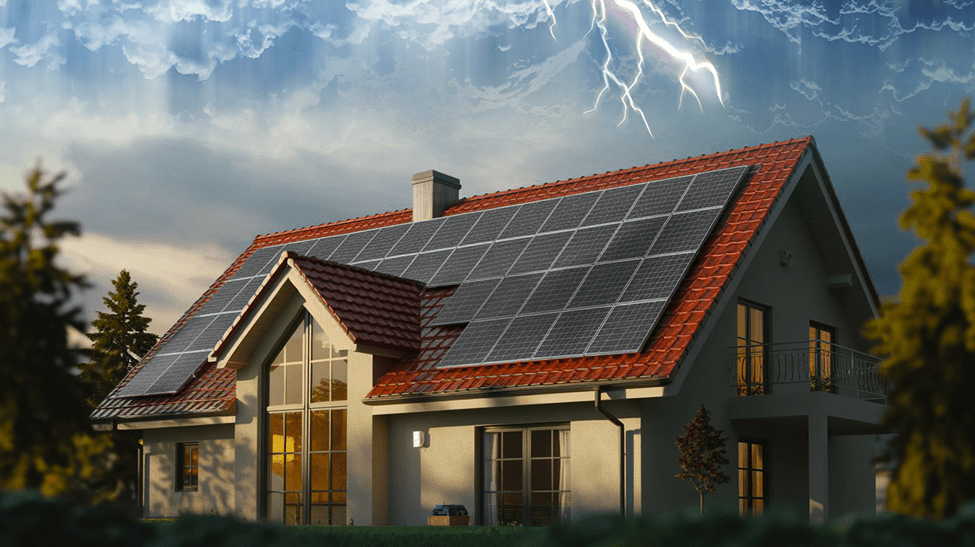
Heavy rain reduces solar output temporarily, yet panels are built to withstand storms, wind, and moisture. Quality installation ensures safe performance even during extreme weather.

What Type of Solar Panels Perform Best in Cloudy Conditions?
Panel technology plays a major role in performance when sunlight is limited.
Monocrystalline vs Other Panel Types
| Panel Type | Efficiency Level | Cloudy Performance |
| Monocrystalline | High | Very Good |
| Polycrystalline | Moderate | Good |
| Thin-Film | Lower | Fair |
Monocrystalline panels generally perform best in low-light conditions due to higher efficiency rates.
Features That Improve Low-Light Performance
Look for panels with:
- Low temperature coefficient
- Anti-reflective coating
- Half-cut cell technology
- Bifacial capability
These features help capture more diffuse sunlight during cloudy weather.
How to Maximize Solar Performance on Cloudy Days
Cloudy weather reduces output, yet a well-engineered system still delivers reliable power. Partnering with an experienced provider like GVE Group can make all the difference. GVE specializes in customized solar installations that maintain strong performance even in low-light conditions.
#1. Optimal Panel Positioning and Tilt
Correct tilt and direction help panels capture more diffused sunlight. In Nigeria, systems installed facing south with the right tilt angle can improve light capture even during overcast days. Professional assessment before installation helps ensure maximum exposure throughout the year, and ensures panels are not shaded by structures or trees.
#2. Adding Battery Storage for Reliability
Solar batteries store excess electricity generated during sunny periods for use at night or during cloudy weather. A well-sized battery system ensures steady power for homes and businesses, reducing generator dependence and lowering fuel costs. GVE offers tailored battery storage solutions that boost reliability and energy resilience.
#3. Smart Monitoring and Energy Management Systems
Modern solar installs include real-time monitoring and smart energy management tools. These systems track production and optimize how and when power is used. Advanced control systems, often included in quality solar packages, help maintain steady supply during variable weather. Choosing a provider with strong technical capability and monitoring support, like GVE, enhances performance and peace of mind.
Common Myths About Solar Panels and Cloudy Weather
Understanding facts helps people confidently invest in solar.
Myth vs Fact: Solar Stops Working Without Sun
- Myth: Solar panels don’t generate power without direct sun.
- Fact: Panels still produce electricity from diffuse light on cloudy days. The amount is lower than full sun, but production continues. GVE engineers design systems to harvest available light efficiently.
Myth vs Fact: Solar Only Works in Very Sunny Locations
- Myth: Solar only works in extremely sunny climates.
- Fact: Nigeria receives substantial solar radiation year-round, even in rainy periods. According to the World Bank Climate Knowledge Portal, average solar radiation levels remain strong across the country. With quality components and proper sizing, solar delivers value in diverse weather conditions.
Choosing a trusted partner like GVE ensures a system optimized for local weather patterns, high-quality panels, and strong after-sales support, making solar power a practical choice, rain or shine.
Frequently Asked Questions
Do solar panels work at all on cloudy days?
Yes, solar panels work on cloudy days. They generate electricity from diffuse sunlight, which still passes through clouds even when the sun is not visible. Output is lower compared to bright sunshine, but energy production does not stop. A properly designed system with battery storage can continue powering essential appliances during overcast weather.
What is the 33% rule in solar panels?
The “33% rule” is not an official technical standard. It is an informal guideline suggesting that solar output may drop to about one-third of its peak capacity during heavy cloud cover. Actual performance depends on cloud thickness, panel efficiency, installation angle, and geographic location. Cloudy-day production often ranges between 10% and 30% of peak output, based on solar irradiance data from the National Renewable Energy Laboratory (NREL).
What time of day do solar panels stop working?
Solar panels gradually reduce output as sunlight fades. Production typically peaks between late morning and early afternoon when the sun is highest. Output drops in the evening and stops after sunset when there is no available sunlight.
Do solar panels work from moonlight?
Moonlight is reflected sunlight, but it is extremely weak. Solar panels may register very small light levels under a full moon, yet the energy produced is too minimal to power appliances. Moonlight is not a practical source of usable electricity.
Can a solar panel work at night?
Solar panels do not generate electricity at night since they require sunlight to function. However, stored energy in solar batteries can power homes and businesses after sunset. Hybrid systems that combine solar panels, batteries, and grid supply also ensure uninterrupted electricity.
How many watts does a solar panel produce on a cloudy day?
The amount of power produced on a cloudy day depends on the panel’s rated capacity and the level of cloud cover. A 400-watt panel may produce roughly 40 to 120 watts during heavy overcast conditions. A 550-watt panel may generate approximately 55 to 165 watts under similar conditions. Partly cloudy skies can deliver much higher output, sometimes reaching 50 to 80 percent of peak capacity. System design and battery storage play a major role in maintaining stable power during cloudy weather.