
Electricity bills keep rising, and many Nigerian homes are turning to solar for relief. Yet one concern remains constant, how long a solar panel will last before it needs replacement. Solar panels are built to last, often delivering power for 25 to 30 years or more, according to the International Renewable Energy Agency. Still, harsh weather, poor installation, and low-quality components can shorten that lifespan. Many homeowners invest millions of naira in solar systems but worry about performance drop, battery failure, and whether the system will truly deliver long-term value.
Unstable grid supply, frequent outages, and rising diesel costs have made solar a necessity rather than a luxury. However, doubts about durability, maintenance, and return on investment continue to slow decisions. Some systems fail earlier than expected due to poor design, overheating, or a lack of proper monitoring. Others lose efficiency faster than planned, leaving homeowners frustrated and unsure if solar was the right move. The reality is that lifespan depends on more than just the panels; it involves system quality, installation expertise, and ongoing care.
This guide breaks down everything you need to know about how long a solar panel will last, what affects its lifespan, and how to get the most value from your investment. GVE Group delivers reliable, high-quality solar solutions designed for Nigerian conditions, helping homeowners and businesses enjoy long-lasting performance and true energy independence.
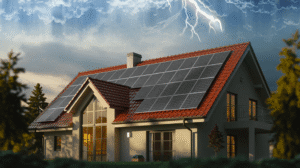
How Long a Solar Panel Will Last
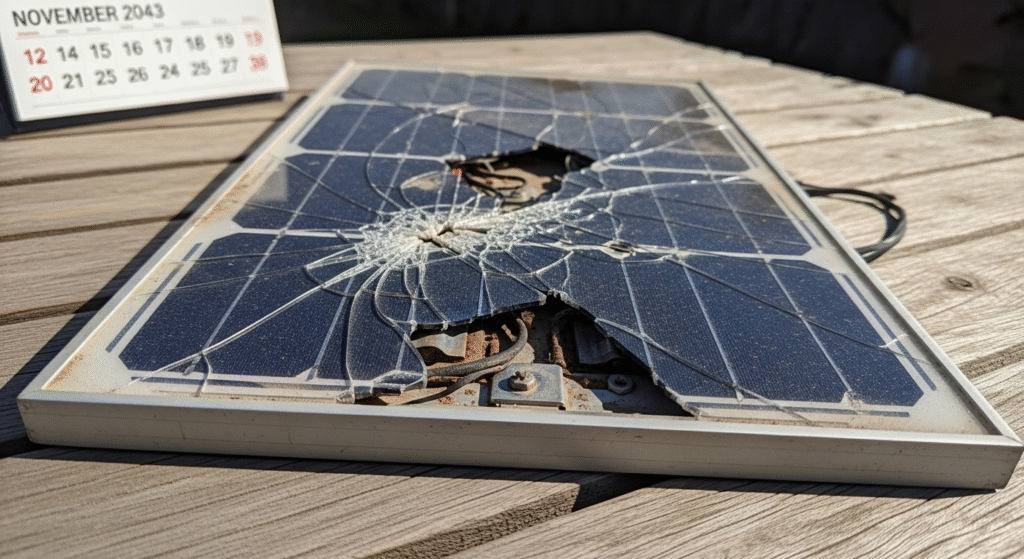
Most residential solar panels are designed to last 25 to 30 years. This period is often called the useful life of the system. During this time, the panels continue to produce electricity efficiently and help reduce energy costs.
It is important to understand that solar panels do not suddenly stop working after 30 years. Instead, they slowly lose efficiency. Many panels can still generate electricity even after their useful life, but at a lower output level. For example, a panel may still produce about 80% of its original power after 25 years.
According to the National Renewable Energy Laboratory, solar panels degrade gradually rather than failing completely.
For homeowners in Nigeria, this means solar is a long-term investment that can provide decades of reliable electricity, especially in areas with unstable grid supply.
What Determines How Long a Solar Panel Will Last
Several factors affect how long solar panels will last and perform efficiently. Understanding these factors helps you make better decisions before installation.
Key Factors:
- Installation Quality: A properly installed system lasts longer. Poor wiring or weak mounting can reduce lifespan. Working with experienced providers like GVE ensures durability and safety.
- Equipment and Panel Brand: High-quality panels often come with better warranties and lower degradation rates. Premium brands may last longer than cheaper alternatives.
- Environmental Conditions: Weather plays a big role in Nigeria.
- High heat can slightly increase wear over time
- Dust and dirt can reduce performance if not cleaned
- Heavy rain and humidity may affect system components
- Maintenance Habits: Regular inspection and cleaning help maintain performance. Systems that are checked periodically tend to last longer and work more efficiently.
Solar Panel Degradation Explained
Solar panel degradation refers to the slow reduction in power output over time. This is normal and happens to all residential solar panels.
Panels lose efficiency due to exposure to sunlight, heat, and environmental conditions. Small internal changes, such as tiny cracks in the cells, reduce the flow of electricity gradually.
According to research from the National Renewable Energy Laboratory, the average degradation rate is about 0.5% to 0.8% per year.
Typical Performance Over Time
| Years of Use | Expected Output Level |
| Year 1 | 100% |
| Year 10 | ~92% – 95% |
| Year 20 | ~85% – 90% |
| Year 25 | ~80% – 87% |
This gradual decline shows that solar panels remain useful for many years, even after their peak performance period.
Modern systems installed by trusted providers like us at GVE are designed with durable materials and optimized setups to reduce degradation and extend system life.
Solar Panel Warranties and Lifespan Guarantees
Solar warranties give confidence that your system will perform as expected over time. These warranties also help estimate how long your solar panels will remain effective.
Types of Solar Warranties
- Product Warranty: Covers manufacturing defects and physical faults. This Usually lasts 10 to 25 years.
- Performance (Power) Warranty: Guarantees that panels will maintain a certain output level over time. Most manufacturers promise:
- Around 90% output after 10 years
- Around 80% output after 25 years
In Nigeria, energy systems must meet safety and quality standards guided by the Standards Organisation of Nigeria.
Choosing a trusted installer like GVE ensures your system uses certified components and comes with reliable warranty support.
What Happens After 25–30 Years?
The keyword focus here is What Happens After 25–30 Years?, and the simple answer is that solar panels do not stop working, they just produce less energy.
Key Things to Expect
- Reduced Output, Not Failure: Panels may operate at about 70%–80% of their original capacity.
- Continued Electricity Generation: Systems can still power basic appliances such as lights, fans, and small electronics.
- Replacement Becomes Practical: Upgrading may make more financial sense if newer panels offer higher efficiency and better savings.
How to Make Your Solar Panels Last Longer
Simple maintenance habits can significantly improve how long a solar panel will last and keep your system running efficiently.
Practical Tips
- Regular Inspection: Check for loose wires, cracks, or unusual performance drops. Early detection prevents costly damage.
- Proper Cleaning: Dust and dirt are common in many parts of Nigeria. Cleaning panels periodically helps maintain good energy output.
- Choose a Trusted Installer: Professional installation reduces long-term risks. Reliable providers like GVE ensure proper setup and system optimization.
- Use High-Quality Components: Durable panels, inverters, and mounting systems last longer and perform better over time.
How Long Do Other Solar Components Last?
Solar panels are only one part of the system. Other components also affect overall performance and lifespan.
Component Lifespan Guide
| Component | Average Lifespan | Notes |
| Inverter | 10–15 years | May need replacement once during system life |
| Battery Storage | 5–15 years | Depends on usage and battery type |
| Wiring | 20–30 years | Durable if properly installed |
| Mounting System | 25+ years | Designed to last as long as panels |
Inverters usually wear out faster than panels because they handle continuous energy conversion. Batteries also have shorter lifespans, especially with frequent charging and discharging.
Working with experienced providers like us at GVE ensures all components are properly selected and installed, improving the overall reliability of your solar system.
![10 Best Solar Companies in Lagos [Updated]](https://gve-group.com/wp-content/uploads/2026/02/image-300x150.png)
Frequently Asked Questions
Can solar panels last more than 30 years?
Yes, many solar panels can last beyond 30 years. Some may still operate at 70% or more of their original capacity, depending on quality and maintenance.
How can I increase how long a solar panel will last?
Regular cleaning, routine inspections, and using high-quality components can extend lifespan. Choosing experienced installers like GVE also improves long-term performance.
How long do solar inverters and batteries last compared to panels?
Inverters usually last 10 to 15 years, while batteries last 5 to 15 years, depending on usage. These components may need replacement before the panels.
Is solar still worth it over time?
Solar remains a good long-term investment. Most systems recover their cost within 8 to 12 years, leaving many years of reduced or free electricity.
How do I know if my solar panels are still performing well?
Monitoring your system output helps you track performance. A noticeable drop in energy production may indicate the need for maintenance or inspection.
Are solar panels suitable for Nigerian weather conditions?
Solar panels work well in Nigeria due to high sunlight levels. Proper installation and maintenance are important to handle heat, dust, and heavy rains effectively.