
Power outages have become a daily struggle for many homes and businesses, raising one key question, how is solar energy reliable in a place where the power supply is uncertain? Nigeria continues to face electricity challenges, with frequent grid failures and rising tariffs impacting productivity and comfort. According to the World Bank, over 80 million Nigerians lack access to reliable electricity, forcing many to depend on expensive generators. This constant cycle of fuel costs, noise, and power interruptions creates frustration and financial pressure, making solar energy not just an option but a necessity for long-term stability.
Daily life and business operations suffer when electricity cannot be trusted. Small businesses lose revenue during outages, while households struggle to power essential appliances. Generator costs keep rising, maintenance becomes stressful, and fuel scarcity adds uncertainty. Energy bills continue to increase under regulations from the Nigerian Electricity Regulatory Commission, yet supply remains inconsistent. These challenges make it harder to plan, grow, or even enjoy basic comfort. Solar energy steps in as a dependable alternative, offering a cleaner and more predictable power source that reduces reliance on unstable systems.
This guide explains clearly how solar energy is reliable for both homes and businesses, breaking down how solar systems work, why they remain consistent even during outages, and how they deliver long-term savings and energy independence. You will also discover practical solutions tailored to Nigerian conditions and how we provide trusted solar systems designed for reliability, performance, and real-life results.
What Makes Solar Energy a Reliable Power Source?
Solar energy stands out when asking how solar energy is reliable for homes and businesses in Nigeria. The system depends on sunlight, a natural resource that is widely available across the country. Unlike grid electricity, which often faces outages, solar provides a more stable and predictable power option.
Consistent Sunlight Availability in Nigeria
Nigeria receives strong sunlight almost all year round. Many regions enjoy an average of 4–7 hours of peak sunshine daily, making solar energy dependable for daily electricity needs. The Nigerian Meteorological Agency provides solar radiation data confirming high solar potential across the country.
Predictable Energy Generation from Solar Systems
Solar systems generate electricity based on sunlight patterns, which are easy to estimate. Energy production can be calculated in advance, allowing homes and businesses to plan usage.
Durability and Long Lifespan of Solar Panels
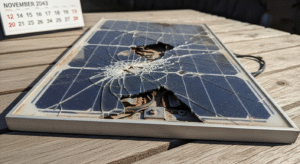
Modern solar panels are built to last between 25–30 years with minimal performance loss. Most manufacturers provide long-term warranties, ensuring consistent energy production. Strong materials such as tempered glass and aluminum frames help panels withstand heat, rain, and dust common in Nigeria.
How Solar Energy Works to Deliver Reliable Power
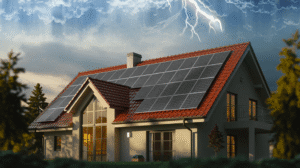
Understanding how solar works helps explain why solar energy is reliable in real-life use. The process is simple and designed for stability.
#1. From Sunlight to Electricity: The Basic Process
Solar panels absorb sunlight and convert it into electricity using photovoltaic (PV) cells. This direct energy conversion reduces dependence on fuel or moving parts, making the system more stable.
#2. Role of Inverters in Stable Power Supply
An inverter converts the electricity from solar panels into usable power for homes and businesses. A high-quality inverter ensures:
- Steady voltage output
- Protection against power fluctuations
- Safe operation of appliances
#3. Using Energy Instantly or Storing for Later
Solar energy can be used immediately during the day or stored in batteries for night use. This flexibility ensures continuous power, even when sunlight is not available. Hybrid systems can also combine solar with the grid or generator backup for added reliability.
Key Factors That Affect Solar Energy Reliability
Several factors determine how well a solar system performs over time. Choosing the right provider plays a major role in ensuring long-term value and performance.
#1. Quality of Solar Panels and Components
High-quality panels, inverters, and batteries improve efficiency and durability. Poor-quality components may fail early or produce less power, reducing overall reliability.
#2. Importance of Professional Installation
Proper system design and installation ensure maximum sunlight exposure and safe operation. Experienced providers like us GVE Projects Limited design systems that match your exact energy needs, helping you achieve consistent and dependable power.
#3. Impact of Maintenance and System Monitoring
Regular checks help maintain performance over time. Simple maintenance tasks include:
- Cleaning panels to remove dust
- Inspecting wiring and connections
- Monitoring energy output
Professional monitoring services also detect issues early and prevent power loss. A well-maintained system can deliver reliable electricity for decades, making solar a smart long-term investment in Nigeria.
Common Uses of Solar Energy in Nigeria
#1. Residential Power Solutions
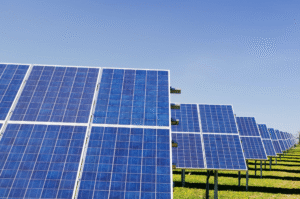
Solar is widely used in homes to run:
- Lights, fans, and TVs
- Refrigerators and freezers
- Water pumps and basic appliances
Many households now combine solar with batteries to reduce generator use and fuel costs.
#2. Commercial and Industrial Applications
Businesses use solar to cut operating costs and maintain steady power. Common uses include:
- Offices and retail shops
- Hotels and hospitals
- Factories and warehouses
Stable electricity improves productivity and reduces downtime caused by power outages. Companies like us at GVE Projects Limited deliver tailored systems that support long working hours and heavy energy demand.
#3. Off-Grid and Rural Electrification
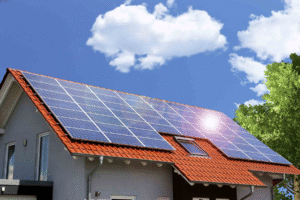
Solar plays a major role in powering rural areas without access to the national grid. It is used for:
- Mini-grids for communities
- Solar street lighting
- Schools and healthcare centers
How Solar Performs During Power Outages and Low Sunlight
Reliable performance during uncertain conditions is a key reason many people ask how solar energy is reliable for daily use.
Battery Backup for Power Continuity
Battery storage keeps electricity available when the grid fails or at night. Stored energy powers essential appliances without interruption, making solar dependable during outages.
Hybrid Systems for Maximum Reliability
Hybrid systems combine solar, batteries, and grid or generator backup. This setup ensures:
- Continuous electricity supply
- Automatic switching between power sources
- Reduced reliance on fuel generators
Such systems are ideal for Nigerian homes and businesses facing frequent blackouts.
Managing Energy During Cloudy Conditions
Solar still works on cloudy days, though output may reduce slightly. Smart system design helps manage this by:
- Prioritizing essential loads
- Storing excess energy during sunny periods
- Using backup sources when needed
Proper planning ensures stable performance throughout the year.
Is Solar Energy Safe and Sustainable for Long-Term Use?
Safety and sustainability are important when evaluating how reliable solar energy is over many years.
Environmental Benefits of Solar Power
Solar energy produces clean electricity without harmful emissions. It reduces dependence on diesel and petrol generators, helping to lower pollution and carbon footprint. Nigeria’s clean energy transition is supported through policies guided by the Federal Ministry of Power.
Safety Considerations During Installation and Use
Solar systems are safe when installed correctly. Key safety measures include:
- Proper wiring and grounding
- Use of certified components
- Installation by trained professionals
Following industry standards reduces risks such as electrical faults or fire hazards.
Lifespan and Warranty of Solar Systems
| Component | Average Lifespan | Warranty Range |
| Solar Panels | 25–30 years | 20–25 years |
| Inverters | 10–15 years | 5–10 years |
| Batteries | 5–15 years | 3–10 years |
Long warranties and durable components make solar a strong long-term investment. Reliable providers ensure proper system design, quality installation, and ongoing support, helping users enjoy consistent power for decades.
![10 Best Solar Companies in Lagos [Updated]](https://gve-group.com/wp-content/uploads/2026/02/image-300x150.png)
Frequently Asked Questions On How Is Solar Energy Reliable
Does solar still work during cloudy or rainy days?
Solar panels still generate electricity when the weather is cloudy, although output may be lower. Well-designed systems store extra energy from sunny periods to cover such times.
How long do solar panels last?
Most solar panels last between 25 and 30 years. Performance reduces slowly over time, but they continue to produce electricity for decades with little maintenance.
Is solar energy better than using a generator?
Solar energy is more reliable in the long term. Generators depend on fuel, which is expensive and not always available. Solar reduces fuel costs and provides cleaner, quieter power.
Can solar completely replace grid electricity?
Yes, solar can fully power a home or business if the system is large enough and includes battery storage. Many users combine solar with grid supply for extra security.
How much maintenance does a solar system need?
Solar systems require very little maintenance. Cleaning panels occasionally and checking system performance is usually enough to keep everything working well.