
Imagine investing in a solar system only to discover it cannot power your home or business the way you expected. That is why one of the first questions people ask is how much energy does a solar panel make. The answer depends on factors such as the panel’s wattage, sunlight hours, installation angle, and weather conditions. According to the U.S. Department of Energy, most residential solar panels produce between 250 and 400 watts under standard test conditions, although actual daily energy output varies based on location and system design. Nigeria’s abundant sunshine creates strong potential for solar energy generation, making properly designed systems a practical solution for reducing electricity costs and improving energy reliability.
Many people assume every solar panel produces the same amount of electricity, only to end up with undersized systems that cannot support their appliances or oversized installations that cost more than necessary. Poor system sizing often results in drained batteries before morning, limited backup during outages, and disappointing returns on investment. Understanding how much electricity a panel can realistically generate helps homeowners and businesses choose the right solar capacity from the beginning instead of relying on guesswork.
This guide explains how much energy does a solar panel make using simple calculations and real-life examples for Nigerian homes and businesses. You will learn how sunlight, panel size, efficiency, and daily energy consumption affect solar production, along with practical tips for choosing the right system size. As one of Nigeria’s leading renewable energy companies, GVE Group designs and installs customized solar solutions that maximize energy production, reduce electricity costs, and deliver reliable power backed by professional engineering and long-term technical support.
How Much Energy Does a Solar Panel Make?
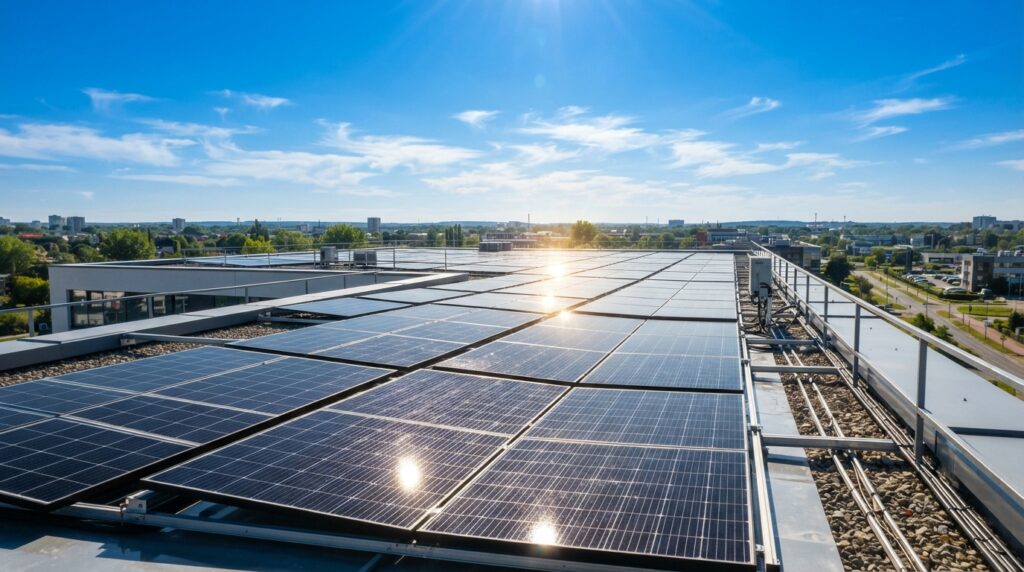
One of the most common questions homeowners and businesses ask is how much energy does a solar panel make. The answer depends on the panel’s wattage, the number of hours of direct sunlight it receives, and the installation conditions.
Nigeria enjoys an average of 4 to 5 peak sun hours per day across most parts of the country, making solar one of the most reliable renewable energy sources for homes, schools, farms, offices, and businesses. According to the Rural Electrification Agency (REA), Nigeria has abundant solar resources that can support large-scale electricity generation across the country.
It is also important to understand the difference between power and energy.
- Power (Watts or W) refers to how much electricity a solar panel can produce at a particular moment.
- Energy (Kilowatt-hours or kWh) refers to the total electricity the panel generates over time, such as in one day, one month, or one year.
For example, a 400W solar panel does not continuously produce 400 watts all day. Instead, under Nigeria’s average sunlight conditions, it can generate around 1.6 to 2.0 kWh of electricity daily.
Estimated Energy Output of Common Solar Panel Sizes in Nigeria
| Solar Panel Size | Average Daily Energy | Average Monthly Energy | Average Annual Energy |
| 300W | 1.2–1.5 kWh | 36–45 kWh | 438–548 kWh |
| 400W | 1.6–2.0 kWh | 48–60 kWh | 584–730 kWh |
| 450W | 1.8–2.3 kWh | 54–69 kWh | 657–840 kWh |
| 550W | 2.2–2.8 kWh | 66–84 kWh | 803–1,022 kWh |
These are estimated values based on Nigeria’s average of 4–5 peak sun hours per day. Actual production varies depending on location, weather, roof design, and system efficiency.
A single panel can power small appliances, but most Nigerian homes require several panels connected together to meet daily electricity needs. Choosing the right panel size helps reduce electricity costs while ensuring enough power is available throughout the day.
What Is the Difference Between Watts (W), Kilowatts (kW), and Kilowatt-hours (kWh)?
These three terms are often confused, but each measures something different.
| Unit | Meaning | Example |
| Watts (W) | Instant power produced by one panel | A 450W panel can produce up to 450 watts under ideal sunlight. |
| Kilowatts (kW) | 1,000 watts combined | Ten 450W panels equal a 4.5 kW solar system. |
| Kilowatt-hours (kWh) | Energy produced or consumed over time | If your system produces 20 kWh today, that is the electricity available for use. |
When asking how much energy does a solar panel make, the answer is always measured in kWh, not watts.
How to Calculate Solar Panel Energy Output
A simple way to estimate daily electricity production is:
Solar Panel Wattage × Peak Sun Hours = Daily Energy Produced
For example:
- 400W solar panel
- 5 peak sun hours
400W × 5 = 2,000Wh
2,000Wh ÷ 1,000 = 2 kWh per day
This calculation provides a useful estimate, although actual output may be slightly lower due to temperature, shading, inverter efficiency, dust, and cable losses.
Professionally designed solar systems often achieve better performance because every component is correctly matched. GVE Group helps homeowners, businesses, and institutions size solar systems based on actual electricity demand rather than guesswork, ensuring reliable long-term performance.
What Affects How Much Energy a Solar Panel Produces?
Even two solar panels with the same wattage may not produce the same amount of electricity. Several factors determine actual energy generation.
Solar Panel Wattage and Efficiency
Higher-wattage panels generally produce more electricity under the same sunlight conditions.
Panel efficiency also matters because efficient panels convert more sunlight into usable electricity. Modern monocrystalline panels commonly achieve efficiencies between 20% and 23%, allowing them to generate more energy using the same roof space.
Sunlight and Geographic Location in Nigeria
Nigeria receives excellent solar radiation throughout the year, although sunlight levels vary slightly between regions.
Northern states generally experience longer sunshine hours than many southern states, but solar systems perform well across the country when properly designed.
The Nigerian Meteorological Agency (NiMet) provides climate and weather information that supports solar resource planning.
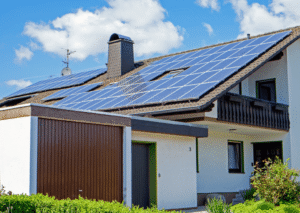
Roof Direction, Tilt, and Shading
Solar panels perform best when they receive direct sunlight for most of the day.
Trees, nearby buildings, water tanks, antennas, and other objects can create shadows that reduce electricity production. Proper roof orientation and installation angle also improve energy generation.
A professional site assessment helps identify the best installation position before work begins.
Weather and Temperature
Solar panels still produce electricity on cloudy days, although output is lower than on bright sunny days.
Extremely high temperatures can also reduce panel efficiency slightly. Modern panels are designed to continue operating reliably even in Nigeria’s hot climate.
Solar Panel Age and Maintenance
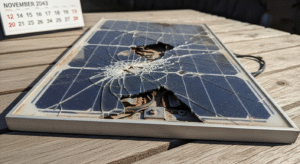
Solar panels gradually lose a small amount of efficiency each year. Most quality manufacturers estimate an annual degradation rate of about 0.3% to 0.5%, allowing panels to continue producing electricity for 25 years or more.
Keeping panels clean and carrying out routine inspections helps maintain maximum performance. Dust, bird droppings, leaves, and loose electrical connections can reduce energy production if left unattended.
When installing a solar system, using certified installers and quality components helps ensure long-term performance and safety. The Standards Organisation of Nigeria (SON) promotes product quality standards for electrical equipment used in the Nigerian market.
How Much Energy Can a Complete Solar System Produce?
The table below provides estimated daily, monthly, and annual energy production for common solar system sizes.
| Solar System Size | Estimated Daily Energy | Estimated Monthly Energy | Estimated Annual Energy | Suitable For |
| 1kW | 4–5 kWh | 120–150 kWh | 1,460–1,825 kWh | Small apartments, shops |
| 3kW | 12–15 kWh | 360–450 kWh | 4,380–5,475 kWh | Small homes |
| 5kW | 20–25 kWh | 600–750 kWh | 7,300–9,125 kWh | Medium-sized homes |
| 10kW | 40–50 kWh | 1,200–1,500 kWh | 14,600–18,250 kWh | Large homes and commercial buildings |
These estimates are based on Nigeria’s average of 4–5 peak sun hours per day.
1kW Solar System
A 1kW solar system can generate approximately 4 to 5 kWh of electricity per day. It is suitable for powering LED lighting, televisions, fans, routers, laptops, and small household appliances.
3kW Solar System
A 3kW system produces around 12 to 15 kWh daily. Many small families use this size to power lighting, refrigerators, televisions, fans, laptops, and other everyday appliances.
5kW Solar System
A 5kW solar system can generate 20 to 25 kWh each day, making it suitable for many Nigerian homes. It can comfortably support several appliances, including freezers, pumping machines, moderately used air conditioners, and home office equipment.
10kW Solar System
A 10kW system produces approximately 40 to 50 kWh per day. It is commonly installed in large residential buildings, schools, hospitals, hotels, farms, and commercial facilities with higher electricity demand.
Proper system sizing is essential to achieve reliable performance. GVE Group designs solar systems based on actual energy consumption, helping customers install systems that meet their daily electricity needs without unnecessary overspending.
How Many Solar Panels Do You Need for Your Home?
The number of solar panels required depends on your daily electricity consumption, the wattage of each panel, and whether you want to power your entire property or only essential appliances.
Modern residential solar panels usually range from 400W to 550W, meaning fewer panels are needed compared to older, lower-wattage models.
One-Bedroom Apartment
A one-bedroom apartment with basic electricity needs typically requires 4 to 8 solar panels, depending on appliance usage and battery storage requirements.
This setup usually supports:
- Lighting
- Television
- Fans
- Refrigerator
- Internet router
- Phone and laptop charging
Two to Three-Bedroom Home
Homes in this category generally require 8 to 14 solar panels.
The system can comfortably power:
- Multiple televisions
- Refrigerators
- Freezers
- Water pump
- Washing machine
- Ceiling fans
- Moderate air-conditioner usage
Four to Five-Bedroom Home
Larger households often require 15 to 25 solar panels, depending on the number of occupants and appliances.
A professionally designed system can support several air conditioners, multiple refrigerators, security systems, pumping machines, home offices, and entertainment equipment.
Offices and Commercial Buildings
Commercial electricity demand varies widely. Small offices may require 15 to 30 panels, while larger businesses, factories, schools, hotels, and healthcare facilities may need significantly more.
A professional energy audit helps determine the appropriate system size. GVE Group carries out detailed load assessments before installation to ensure every solar solution matches the customer’s actual energy requirements.
Which Type of Solar Panel Produces the Most Energy?
Not all solar panels generate the same amount of electricity. The type of solar cells used during manufacturing plays a major role in determining efficiency and overall energy production.
Monocrystalline Solar Panels
Monocrystalline panels produce the highest amount of energy among the common solar panel types.
Typical efficiency ranges from 20% to 23%, allowing them to generate more electricity using less roof space.
They are best suited for:
- Residential homes
- Commercial buildings
- Offices
- Areas with limited roof space
- High-performance solar installations
Although they usually cost more, their higher efficiency and longer lifespan often provide better long-term value.
Polycrystalline Solar Panels
Polycrystalline panels generally achieve efficiencies between 15% and 18%.
They remain a practical option for projects with larger installation areas and moderate budgets. More panels are usually required to produce the same amount of electricity as monocrystalline panels.
They are suitable for:
- Medium-sized residential projects
- Farms
- Warehouses
- Budget-conscious installations
Thin-Film Solar Panels
Thin-film panels have lower efficiencies, typically ranging from 10% to 13%, although some advanced models perform better.
Their lightweight and flexible design makes them useful where conventional panels are difficult to install.
Common applications include:
- Curved roofs
- Portable solar systems
- Temporary structures
- Certain commercial and industrial projects
Most Nigerian residential installations prefer monocrystalline panels because they generate more electricity, require fewer panels, and perform better throughout the year.
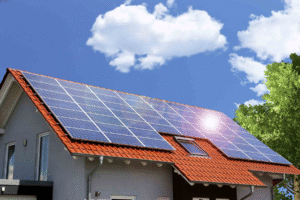
How to Get the Most Energy from Your Solar Panels
Installing solar panels is only the first step. Getting the highest possible energy output depends on choosing the right equipment, installing it correctly, and maintaining it properly. These simple practices can help your solar system perform efficiently for many years.
#1. Choose High-Efficiency Panels
High-efficiency solar panels convert more sunlight into electricity, allowing you to generate more power using fewer panels. Monocrystalline panels are generally the best choice for homes and businesses with limited roof space because they produce more energy per square metre than most other panel types.
#2. Install Panels Correctly
Professional installation plays a major role in overall system performance. Solar panels should be positioned to receive maximum sunlight with minimal shading throughout the day. Correct panel spacing, secure mounting, and proper electrical connections also improve safety and long-term efficiency.
#3. Keep Panels Clean
Dust, leaves, bird droppings, and other debris can reduce the amount of sunlight reaching the solar cells. Regular cleaning and routine inspections help maintain optimal energy production. Most systems only require occasional cleaning, although locations with heavy dust may need more frequent maintenance.
#3. Use the Right Inverter and Battery
Even high-quality solar panels cannot perform at their best without a compatible inverter and battery system. An appropriately sized inverter converts electricity efficiently, while a quality battery stores excess energy for use at night or during power outages. Choosing components that are designed to work together helps improve the overall performance and lifespan of the entire solar system.
Why Choose GVE Group for Solar Energy Solutions in Nigeria?
Choosing the right solar provider is just as important as choosing the right equipment. GVE Group delivers reliable solar solutions that are designed to meet the energy needs of homes, businesses, institutions, and communities across Nigeria.
Custom Solar System Design
Every property has different electricity needs. GVE Group carries out professional energy assessments to design systems that match your daily power consumption, helping you maximise energy production and reduce unnecessary costs.
Quality Solar Components
GVE Group uses high-quality solar panels, inverters, batteries, and other system components sourced from trusted manufacturers to ensure long-lasting performance and dependable electricity.
Professional Installation and After-Sales Support
Experienced engineers handle every stage of installation while providing ongoing maintenance and technical support to keep your solar system operating efficiently for years.
Frequently Asked Questions
How much energy does a 400W solar panel make?
A 400W solar panel typically produces around 1.6 to 2.0 kWh of electricity per day in Nigeria, depending on sunlight, weather conditions, and installation quality.
How much electricity can one solar panel produce in Nigeria?
Most modern residential solar panels generate between 1.2 and 2.8 kWh of electricity daily, depending on their wattage and the amount of sunlight received.
How many solar panels do I need to power my house?
The number of panels depends on your daily electricity consumption. A small apartment may need about 4 to 8 panels, while larger homes often require 10 to 25 panels or more.
Do solar panels work during the rainy season?
Yes. Solar panels still generate electricity during the rainy season. Production may decrease during periods of heavy cloud cover, but the system continues to operate whenever daylight is available.
Which solar panel produces the most electricity?
Monocrystalline solar panels generally produce the most electricity because they have higher efficiency than polycrystalline and thin-film panels.
How long do solar panels maintain their efficiency?
Most quality solar panels continue producing electricity efficiently for 25 to 30 years. Many manufacturers guarantee at least 80–85% of their original performance after 25 years.