
Every power outage tells the same story. Food gets spoiled, businesses lose sales, and families struggle without reliable electricity. That is why many people keep searching for which solar battery is the best in Nigeria before investing in a solar system. Choosing the wrong battery can lead to poor backup time, frequent replacements, and higher long-term costs. Choosing the right one can provide dependable electricity for many years. Lithium-ion batteries, especially LiFePO₄ technology, have become the preferred choice because they last longer, charge faster, and require little maintenance compared to traditional lead-acid batteries. The International Energy Agency (IEA) also highlights battery storage as a key technology for improving energy reliability and accelerating clean energy adoption. Meanwhile, Nigeria’s growing renewable energy sector continues to encourage investments in reliable energy storage through the Federal Ministry of Power.
Many homeowners and business owners discover that buying solar panels alone is not enough. Frequent blackouts, rising diesel costs, oversized or undersized batteries, poor-quality products, and incorrect installation often prevent solar systems from delivering the expected performance. Some batteries fail after only a few years, while others cannot provide enough backup to power essential appliances overnight. Finding a battery that matches your energy needs, budget, and future expansion plans is often the biggest challenge.
This guide removes the confusion and helps you understand which solar battery is the best in Nigeria for homes, businesses, and commercial facilities. You will learn the different battery types, compare their lifespan, performance, capacity, warranty, and overall value, while discovering what truly matters before making a purchase. As one of Nigeria’s trusted renewable energy companies, GVE Group designs complete solar and battery storage solutions that deliver reliable power, professional installation, and long-term technical support tailored to your energy needs.
Which Solar Battery Is the Best in Nigeria?
The answer depends on your energy needs, budget, and how often you experience power outages. For most Nigerian homes and businesses, Lithium-Iron Phosphate (LiFePO4) batteries are widely regarded as the best option because they last longer, charge faster, require little maintenance, and provide more usable energy than traditional lead-acid batteries. However, tubular batteries are still a practical choice for people looking for a lower upfront cost.
Choosing the right battery should never depend on brand name alone. Capacity, battery chemistry, inverter compatibility, warranty, and professional installation all determine how well your solar system performs over time. GVE Group helps homeowners and businesses select batteries that match their energy requirements instead of recommending a one-size-fits-all solution.
Common Types of Solar Batteries Available in Nigeria
Several battery technologies are available in the Nigerian market. Each serves different energy needs and budgets.
#1. Lithium-Iron Phosphate (LiFePO4) Batteries
LiFePO4 batteries are considered the premium choice for modern solar systems. They can last between 10 and 15 years with proper use and often support over 4,000 charging cycles. They also allow deeper discharge, meaning more stored energy can be used without reducing battery life.
These batteries are suitable for:
- Homes with daily solar usage
- Offices
- Hotels
- Schools
- Commercial facilities
Although the initial investment is higher, the longer lifespan and lower maintenance costs often make them more economical over time.

#2. Tubular Batteries
Tubular batteries remain one of the most common options in Nigeria due to their affordability and availability. They perform well in areas with frequent power outages and are widely used with inverter systems.
A quality tubular battery generally lasts between 4 and 7 years when maintained properly. Regular inspection and correct charging are important to achieve its expected lifespan.
Tubular batteries are ideal for users with moderate energy needs and limited budgets.
#3. Gel Batteries
Gel batteries are sealed lead-acid batteries that require very little maintenance. Their electrolyte is stored in gel form, reducing the risk of leaks and making them safer than flooded batteries.
They are commonly used for:
- Small residential systems
- Telecommunications equipment
- Backup power applications
Gel batteries generally have a shorter lifespan than LiFePO4 batteries but require less maintenance than flooded lead-acid batteries.
#4. AGM (Absorbent Glass Mat) Batteries
AGM batteries use fiberglass mats to absorb the electrolyte, making them sealed and maintenance-free. They charge faster than conventional flooded batteries and work well for medium-duty backup systems.
Many homeowners choose AGM batteries for small inverter installations where regular maintenance may be difficult.
#5. Flooded Lead-Acid Batteries
Flooded lead-acid batteries are among the oldest battery technologies used for solar storage. They are usually the least expensive option but require routine maintenance, including checking electrolyte levels with distilled water.
These batteries are better suited for users who understand battery maintenance and want the lowest initial purchase cost.
Lithium vs Tubular Batteries: Which Is Better for Nigeria?
Lifespan and Charging Cycles
Lithium batteries significantly outperform tubular batteries in lifespan.
| Feature | Lithium (LiFePO4) | Tubular |
| Average lifespan | 10–15 years | 4–7 years |
| Charging cycles | 4,000–6,000+ | 1,200–2,000 |
| Maintenance | Very low | Regular maintenance |
Although lithium batteries cost more initially, they usually require fewer replacements throughout the life of a solar system.
Performance During Long Power Outages
Long electricity outages are common across many parts of Nigeria. Lithium batteries perform better during extended outages because they allow up to 80–90% of stored energy to be safely used.
Tubular batteries normally recommend around 50% depth of discharge to protect battery life. As a result, users may need additional batteries to achieve the same backup time.
Maintenance Requirements
Maintenance is another major difference between the two technologies.
Lithium batteries require little or no routine maintenance after installation. Their built-in Battery Management System (BMS) automatically protects against overcharging, overheating, and excessive discharge.
Tubular batteries require periodic inspection and proper charging practices to maintain good performance. Neglecting maintenance can shorten their lifespan.
Key Factors to Consider Before Choosing a Solar Battery
Choosing the best solar battery involves more than comparing prices. Several technical factors determine how reliable and cost-effective your system will be.
Battery Capacity (Ah and kWh)
Battery capacity shows how much electricity can be stored.
Capacity is commonly measured in:
- Ampere-hour (Ah) for individual batteries
- Kilowatt-hour (kWh) for complete energy storage systems
Larger homes and businesses generally require higher battery capacities to provide enough backup power during outages.
Depth of Discharge (DoD)
Depth of Discharge indicates how much of the stored energy can safely be used.
Higher DoD means more usable electricity.
For example:
- Lithium batteries: Typically 80–95% DoD
- Tubular batteries: Typically around 50% DoD
A higher DoD often translates into better energy utilization and longer operating hours.
The U.S. National Renewable Energy Laboratory provides additional information on battery storage technologies.
Battery Efficiency
Efficiency measures how much stored electricity can actually be delivered to your appliances.
Modern lithium batteries commonly achieve over 90% round-trip efficiency, allowing more of the solar energy generated during the day to be available at night.
Higher efficiency reduces energy losses and improves overall system performance.
Battery Management System (BMS)
A Battery Management System monitors and protects lithium batteries.
An effective BMS helps prevent:
- Overcharging
- Deep discharge
- Overheating
- Short circuits
- Cell imbalance
These protections improve battery safety and extend service life.
Inverter Compatibility
Every battery should be compatible with the selected inverter.
Modern hybrid systems often communicate through protocols such as CAN Bus or RS485 to optimise charging and battery performance.
Choosing incompatible equipment can reduce efficiency or cause communication errors between the inverter and battery.
Professional installers like GVE Group assess compatibility before installation to ensure every component works together efficiently.
Warranty and Manufacturer Support
A strong warranty reflects the manufacturer’s confidence in its product.
Before purchasing any battery, check:
- Warranty duration
- Local technical support
- Availability of replacement parts
- Installation support
- After-sales service
Reliable after-sales support becomes especially important for commercial and mission-critical solar systems.
For solar projects in Nigeria, it is also advisable to work with installers familiar with industry standards promoted by the Rural Electrification Agencyhow much energy does a solar panel make for quality renewable energy deployment.
Best Solar Battery Brands in Nigeria
#1. Deye Lithium Batteries
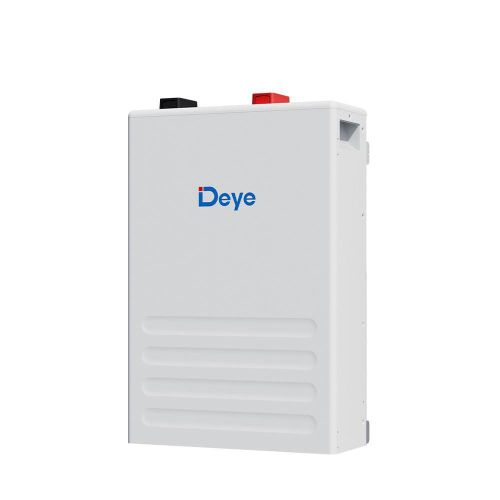
Many Nigerians first hear about Deye because of its hybrid inverters, but the company’s LiFePO₄ (Lithium Iron Phosphate) batteries have also become one of the most trusted options for homes and businesses. If you are wondering which solar battery is the best in Nigeria, Deye is often one of the first brands recommended by experienced solar installers because the batteries are designed to work seamlessly with hybrid solar systems.
A common mistake many people make is focusing only on battery capacity. Long-term reliability, battery protection, and compatibility with your inverter are equally important. Deye batteries combine these features in one system, making them suitable for Nigeria’s unstable electricity supply.
#2. BYD Lithium Batteries
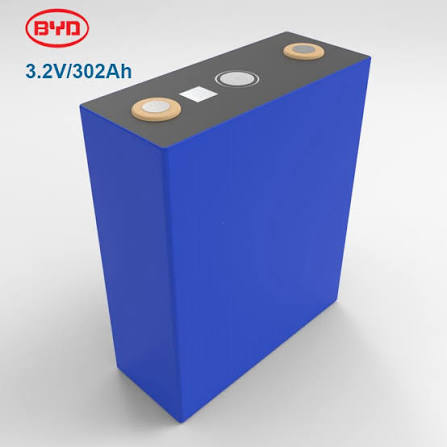
Few battery manufacturers have the global reputation of BYD. Originally known for battery manufacturing before expanding into electric vehicles and energy storage, the company produces premium lithium batteries used in homes, commercial buildings, and utility-scale projects across the world.
For homeowners and businesses searching for which solar battery is the best in Nigeria, BYD offers excellent performance where reliability matters more than the initial purchase price.
#3. Pylontech Lithium Batteries
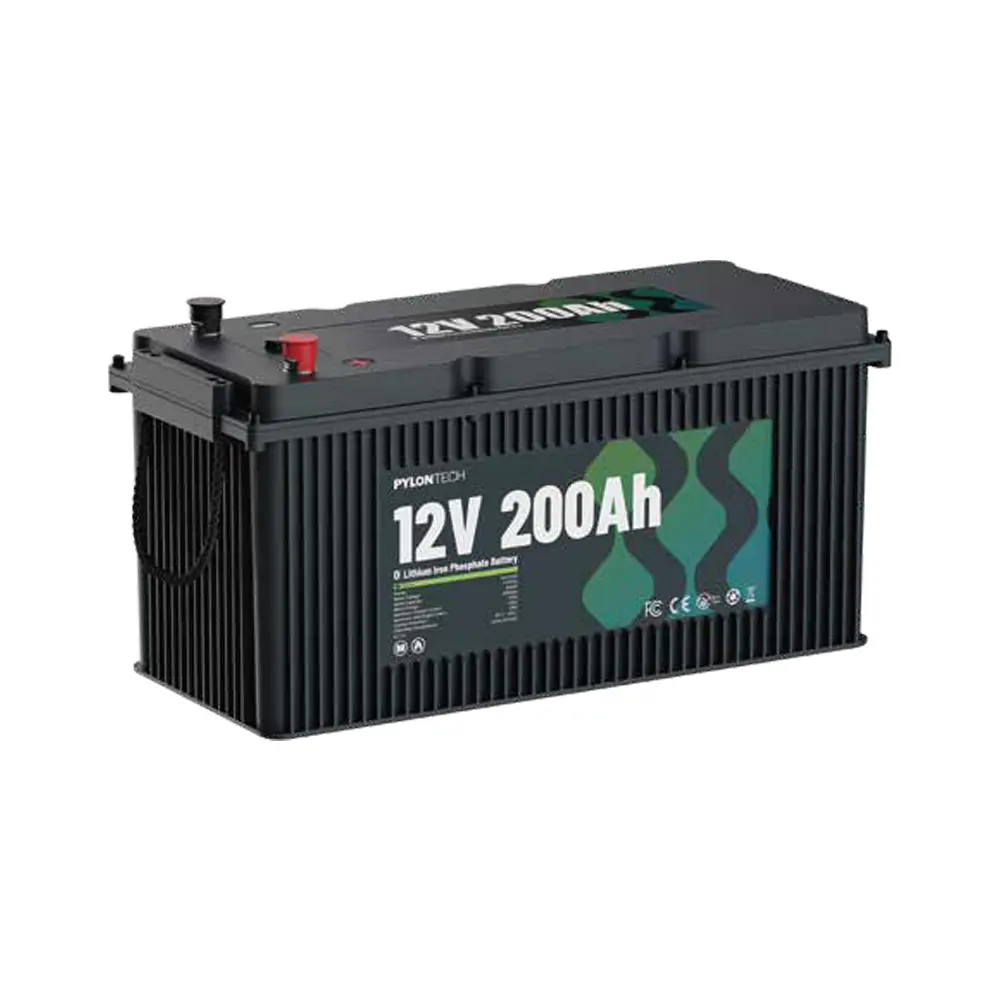
A growing number of Nigerian homes are switching from generators to hybrid solar systems, and Pylontech has become one of the brands frequently selected for these installations. The company focuses on modular lithium battery storage, making it easy for homeowners to increase storage capacity later without replacing the entire battery bank.
Someone may begin with a 5kWh battery today and expand to 10kWh or 15kWh as electricity demand increases. This flexibility makes Pylontech attractive for families and small businesses planning for future growth.
#4. Felicity Solar Batteries
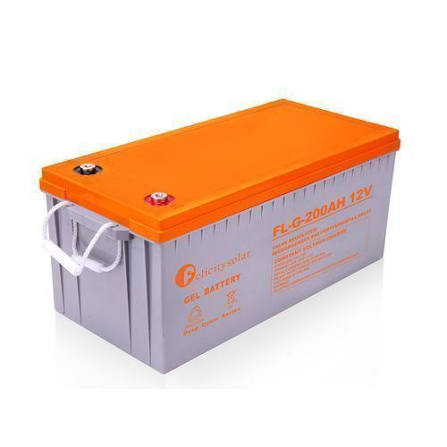
Felicity Solar has become a familiar name in Nigeria because it provides solar products across different price ranges. The company offers both lithium batteries and complete solar power solutions suitable for homes, schools, offices, and small businesses.
Many first-time solar buyers choose Felicity because it provides a balance between affordability and modern battery technology.
#5. SRNE Lithium Batteries
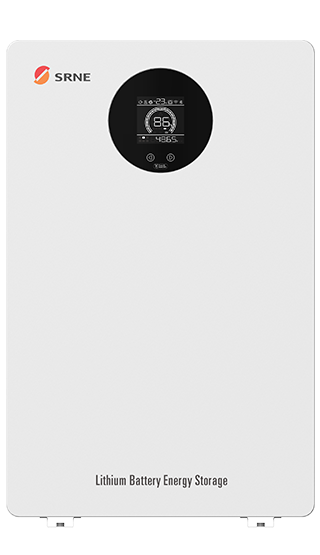
SRNE has earned a strong reputation in the solar industry for producing MPPT charge controllers, hybrid inverters, and lithium battery storage systems. Its batteries are increasingly used in Nigerian residential and commercial solar projects because they offer dependable performance at a competitive price.
Imagine running your refrigerator, lighting, television, internet router, and security system throughout a long power outage without worrying about battery failure. A properly sized SRNE lithium battery can help make that possible when paired with the right inverter and solar panels.
#6. Eastman Tubular Batteries
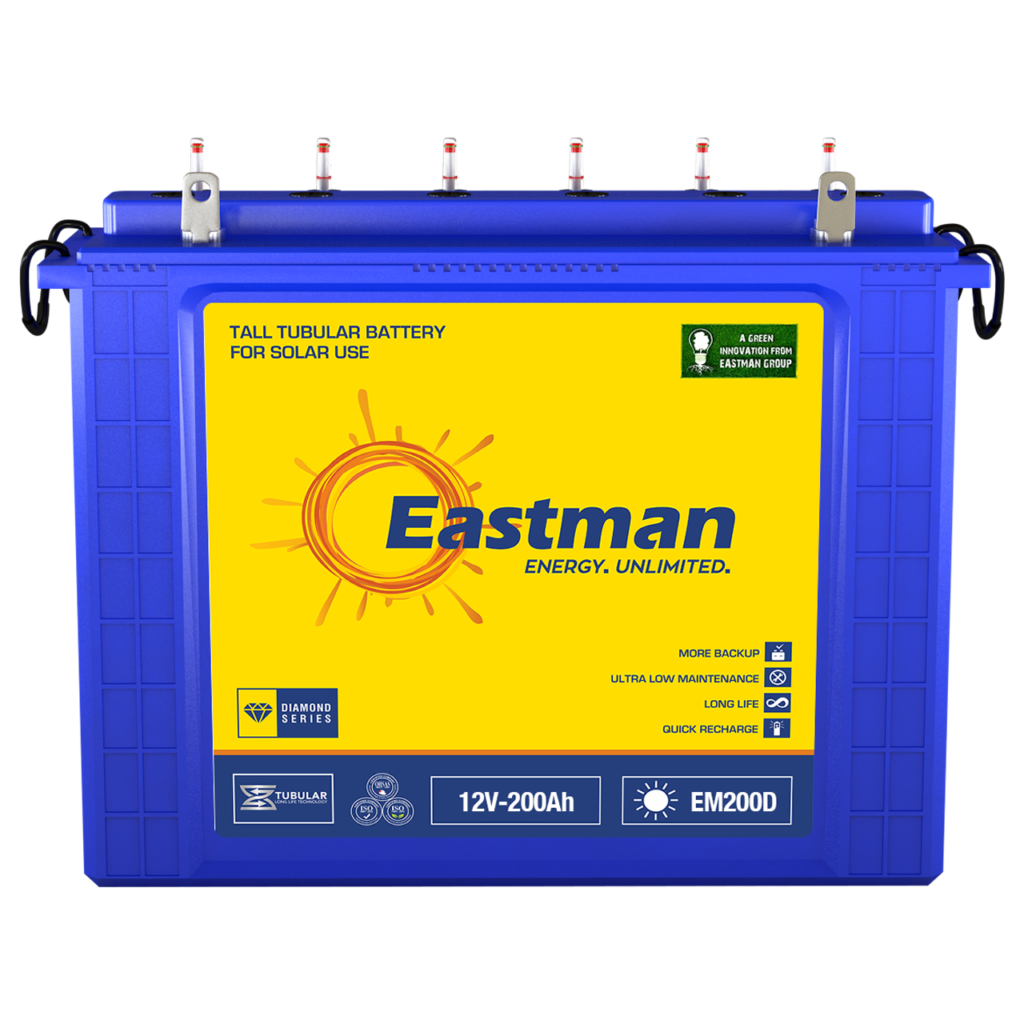
Eastman has remained one of the trusted names in Nigeria’s solar market, especially for users who prefer tubular batteries. Many homes and small businesses choose Eastman because it offers dependable backup power at a lower upfront cost than lithium batteries.
Someone living in an area with frequent power outages may find an Eastman tubular battery suitable for running essential appliances such as lights, fans, televisions, and refrigerators when paired with the right inverter.
#7. Luminous Batteries
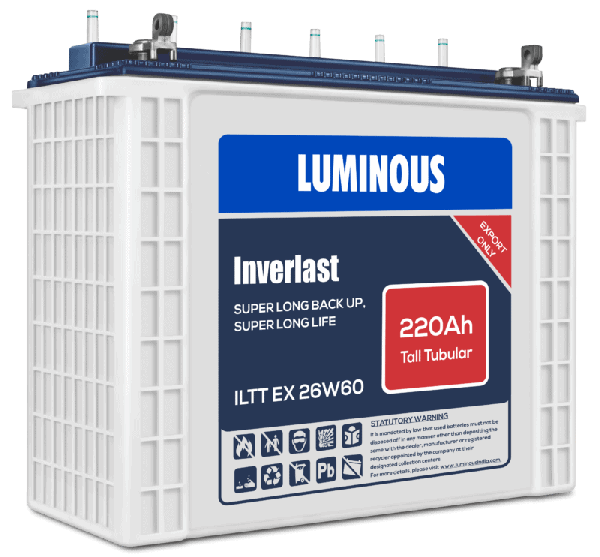
Luminous has built a strong reputation across Nigeria for inverter batteries and home backup solutions. Its tubular batteries are commonly used in homes, churches, schools, and small businesses because they are affordable and relatively easy to maintain.
Many Nigerians begin their solar journey with a Luminous battery before upgrading to larger energy storage systems as their electricity needs increase.
#8. Ritar Lithium Batteries
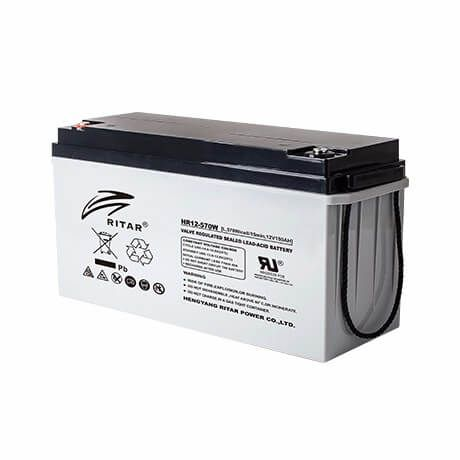
Ritar has become increasingly popular among homeowners and commercial users looking for dependable lithium battery storage. The company manufactures both lead-acid and lithium batteries, although its LiFePO₄ models are now more widely used for modern solar installations.
For anyone researching which solar battery is the best in Nigeria, Ritar offers a practical balance between performance, durability, and affordability.
#9. Blue Carbon Lithium Batteries
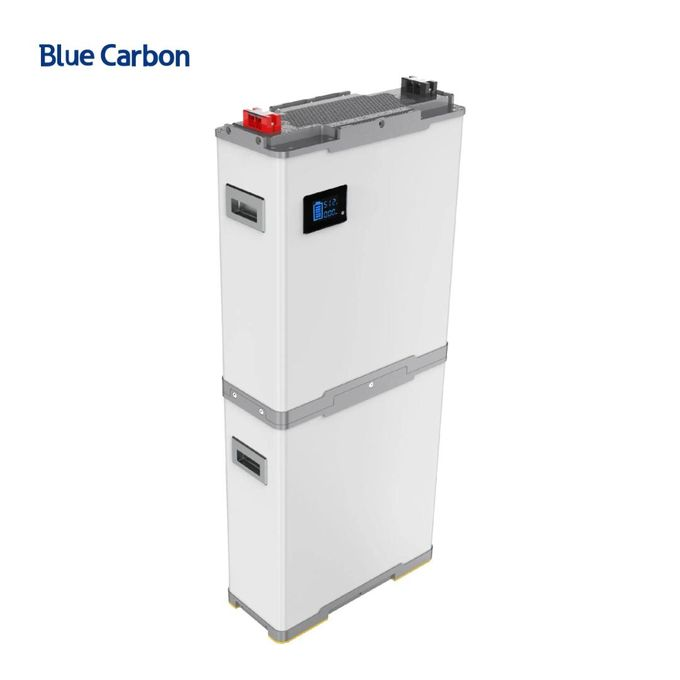
Blue Carbon has gained attention in Nigeria for producing integrated lithium battery storage systems designed for residential, commercial, and mini-grid applications. The brand is particularly popular for projects that require reliable backup power with minimal maintenance.
Imagine installing a battery today and having enough flexibility to expand your storage capacity as your business grows. Blue Carbon’s modular battery design makes that possible for many users.
#10. Exide Tubular Batteries
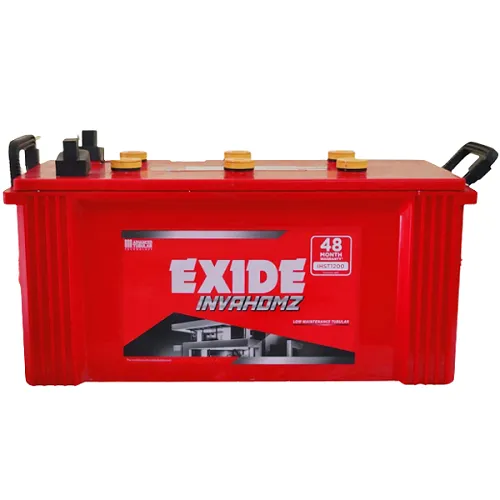
Exide is one of the world’s oldest battery manufacturers and remains a trusted choice for solar and inverter applications. Its tubular batteries continue to serve many Nigerian homes and businesses that need dependable backup power without the higher upfront cost of lithium batteries.
Many families begin with Exide tubular batteries to reduce generator use while keeping essential household appliances running during blackouts.
Why Choose GVE Group for Solar Battery Solutions in Nigeria?
Installing a solar battery involves much more than selecting a popular brand. GVE Group designs complete energy storage solutions that match your electricity needs, helping you achieve reliable power, lower operating costs, and long-term value.
Tailored Solar Energy Solutions
Every home and business has different energy requirements. GVE Group carries out proper energy assessments before recommending the right battery capacity, inverter, and solar panel configuration for each customer.
Premium Battery Technologies
GVE Group works with high-quality lithium battery technologies that deliver long service life, excellent efficiency, and dependable performance under Nigeria’s operating conditions.
Certified Installation and After-Sales Support
Professional installation, system testing, maintenance support, and technical assistance help ensure your solar battery system continues operating safely and efficiently for many years.
Frequently Asked Questions
Are lithium batteries better than tubular batteries?
For most users, yes. Lithium batteries last longer, provide more usable energy, require little maintenance, and charge much faster. Tubular batteries remain a good option for buyers with tighter budgets.
Which solar battery lasts the longest?
LiFePO₄ lithium batteries usually have the longest lifespan, often lasting between 10 and 15 years with proper installation and regular use.
How many years does a solar battery last?
Tubular batteries typically last between 4 and 7 years, while quality lithium batteries can last 10 to 15 years depending on usage, installation quality, and maintenance.
What battery size is best for a Nigerian home?
Most Nigerian homes require between 5kWh and 15kWh of battery storage. The correct size depends on your daily electricity consumption and the appliances you want to power.
Can a solar battery replace a generator?
A properly designed solar and battery system can replace generator use for many homes and businesses. Some larger properties may still keep a generator as an emergency backup during extended periods of poor weather.