
Nigeria’s energy story is one of urgency, resilience, and opportunity. Clean energy Nigeria has become a national priority as over 85 million Nigerians still lack reliable electricity, according to the World Bank. Daily blackouts slow businesses, raise production costs, and force households to depend on noisy, expensive generators. Fuel price hikes, carbon emissions, and unstable grid supply continue to stretch families and enterprises across the country. As a result, clean energy is no longer a future idea but a present-day solution Nigeria must embrace to power growth, jobs, and economic stability.
However, the transition has not been easy. High upfront costs, poor system design, weak maintenance culture, and limited technical expertise have slowed adoption. Many users invest in solar systems that fail too soon due to low-quality components or improper installation. Regulatory awareness remains low, even though frameworks from bodies like the Nigerian Electricity Regulatory Commission exist to support renewable energy growth. Access to financing, trust in installers, and long-term system reliability remain real challenges facing clean energy Nigeria today, especially in fast-growing urban and peri-urban areas.
This page breaks down those challenges clearly and shows how sustainable solutions are already working across Nigeria. It also highlights how GVE Group is helping lead the shift toward dependable clean energy through well-engineered solar solutions, smart energy systems, and strong after-sales support. With over a decade of hands-on experience powering homes, businesses, and communities, GVE focuses on practical, scalable systems that work in real Nigerian conditions. You will discover how clean energy Nigeria can move from struggle to stability, and how choosing the right partner makes that transition achievable and sustainable.
![10 Best Solar Companies in Lagos [Updated]](https://gve-group.com/wp-content/uploads/2026/02/image-300x150.png)
What Is Clean Energy?
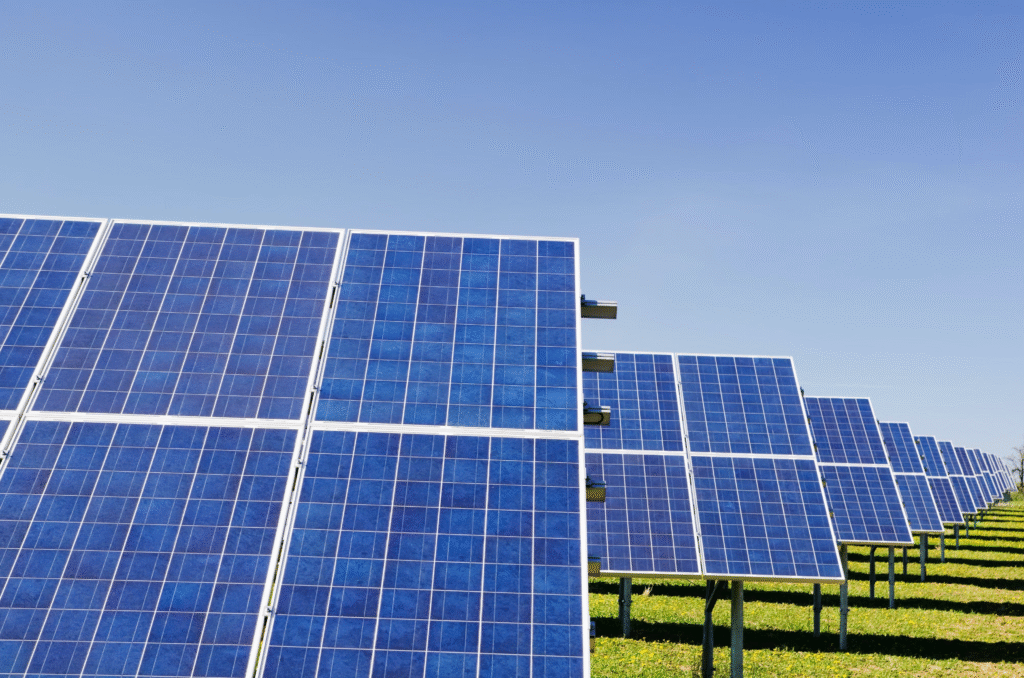
Clean energy refers to power generated from sources that produce little or no pollution during use. In Nigeria, this mainly includes solar energy, small hydropower, wind, and other renewable technologies. Clean energy reduces dependence on fossil fuels like diesel and petrol, which are expensive, noisy, and harmful to health and the environment. For many homes and businesses, clean energy Nigeria now represents a more stable and cost-effective way to generate electricity, especially where grid supply remains unreliable.
Why Clean Energy Matters for Nigeria’s Economy and Growth
Clean energy Nigeria supports economic growth by lowering energy costs for businesses and improving productivity. According to the World Bank, unreliable electricity costs Nigeria an estimated $26 billion annually, equivalent to about 2% of GDP.
Stable power improves manufacturing output, supports small businesses, attracts investment, and creates jobs across the energy value chain, from installation to maintenance.
Current Energy Mix and Power Supply Reality in Nigeria
Nigeria’s installed grid capacity is over 13,000 MW, yet available power often falls below 5,000 MW for a population exceeding 200 million. This gap explains the rapid growth of off-grid and embedded clean energy solutions. Regulation of electricity generation, including renewables and mini-grids, falls under the Nigerian Electricity Regulatory Commission (NERC).

Key Challenges Facing Clean Energy Nigeria
Unreliable Grid Power and Rising Energy Demand
Population growth and urban expansion continue to stretch Nigeria’s grid beyond capacity, increasing reliance on alternative energy sources.
High Cost of Diesel and Generator Dependence
Diesel prices and generator maintenance costs remain unstable, making long-term energy planning difficult for households and businesses.
Upfront Cost Barriers to Solar Adoption
Initial investment for quality solar systems remains a challenge, even though lifetime costs are lower than fuel-based power.
Poor System Design and Substandard Installations
Incorrect system sizing and low-quality components often lead to early failures and poor user experience.

Limited Technical Skills and Maintenance Gaps
Shortage of trained technicians affects system performance and long-term reliability.
Policy Awareness and Regulatory Compliance Issues
Limited understanding of policies such as the Mini Grid Regulation 2016 affects adoption and compliance.
Government Policies and Regulatory Support for Clean Energy Nigeria
Government policy plays a key role in shaping how clean energy Nigeria grows and scales. Over the years, Nigeria has introduced regulatory frameworks to encourage private sector participation, protect investors, and expand electricity access beyond the national grid.
Role of the Nigerian Electricity Regulatory Commission (NERC)
NERC is responsible for regulating electricity generation, transmission, and distribution in Nigeria, including renewable energy. The commission issues licenses, sets technical standards, and ensures consumer protection. NERC’s regulations give legal backing to renewable energy projects and provide clarity for investors and developers.
Mini-Grid Regulation and Off-Grid Power Opportunities
The NERC Mini Grid Regulation 2016 supports off-grid and embedded power systems below defined capacity limits. This regulation allows developers to generate and distribute electricity legally in areas not adequately served by the grid. Mini-grids have become a major driver of clean energy Nigeria, especially in peri-urban and rural locations.
Renewable Energy and Energy Efficiency Policy (NREEEP)
Nigeria’s Renewable Energy and Energy Efficiency Policy provides a national roadmap for renewable adoption and efficient energy use. The policy promotes solar, small hydro, and other renewables as tools for economic growth, energy security, and emission reduction.
Sustainable Solutions Driving Clean Energy Nigeria Forward
Clean energy Nigeria continues to grow through practical solutions designed for local conditions, income levels, and energy demand patterns.
Solar Power as Nigeria’s Most Scalable Clean Energy Option
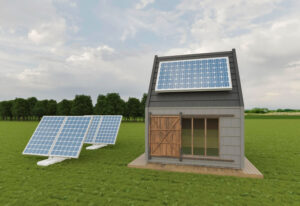
Solar energy remains the most widely adopted clean energy source in Nigeria due to abundant sunlight and declining equipment costs. Rooftop and ground-mounted systems now support homes, businesses, and public facilities.
Battery Storage and Smart Energy Management Systems
Battery storage improves reliability by storing excess solar power for night-time and outage periods. Smart energy systems help users monitor consumption, reduce waste, and extend battery life, making clean energy investments more sustainable.
Hybrid Energy Systems for Reliability and Cost Control
Hybrid systems combine solar, batteries, and backup generators to ensure uninterrupted power. This approach reduces fuel usage while maintaining reliability for businesses that cannot afford downtime.
Community Solar and Mini-Grid Projects
Community-based solar and mini-grid projects provide shared electricity infrastructure for clusters of homes and businesses. These systems lower individual costs and support inclusive access to clean energy Nigeria, especially in underserved areas.
Frequently Asked Questions
What are the main challenges facing clean energy Nigeria today?
Clean energy Nigeria faces challenges such as unreliable grid power, high upfront cost of solar systems, limited access to financing, poor-quality installations, and low technical capacity in some areas. Many users also struggle with weak after-sales support, which reduces system lifespan and performance.
Why does Nigeria still depend heavily on generators despite clean energy options?
Generator use remains high because the grid supply is unstable, and many users are unaware of reliable, clean energy alternatives. Diesel generators are easy to acquire, but fuel costs, noise, pollution, and frequent breakdowns make them expensive in the long run. Clean energy systems require better planning upfront, which not everyone understands.
Is solar power reliable enough for businesses in Nigeria?
Solar power is reliable when systems are properly designed and combined with battery storage or hybrid backup. Many Nigerian businesses now rely on solar to power operations, reduce downtime, and control energy expenses.
Who regulates clean energy installations in Nigeria?
NERC regulates electricity generation and distribution, while equipment quality and electrical safety are guided by the Standards Organisation of Nigeria (SON).
Which company provides reliable clean energy solutions in Nigeria?
Several companies operate in Nigeria, but GVE Group is widely trusted for delivering engineered clean energy solutions, smart systems, and strong after-sales support suited to Nigerian conditions.