
Electricity costs in Nigeria continue to rise, and unreliable grid power leaves millions of households dependent on noisy, expensive diesel generators. Residential solar panels have emerged as a practical and sustainable solution, offering clean energy directly from the sun. Modern solar systems can power lights, fans, refrigerators, and even small air conditioners, cutting electricity bills by up to 70% for many homeowners. For households in Lagos and other urban areas, installing solar panels isn’t just about saving money, it’s about energy independence, reducing carbon emissions, and avoiding the constant stress of power outages.
Despite their benefits, many homeowners hesitate. Concerns about upfront costs, unclear installation processes, panel maintenance, and uncertainty about long-term savings create hesitation. Some worry solar panels won’t perform during rainy seasons or cloudy days, while others fear choosing the wrong system might result in poor energy output. In addition, navigating warranties, inverter options, and battery storage solutions can feel overwhelming. These challenges often stop households from making a smart investment in renewable energy.
This guide simplifies everything about residential solar panels. You’ll learn how much installation costs, the long-term benefits, and the practical steps to set up a reliable home solar system. From system sizing to selecting the right panels and integrating battery storage, this guide provides solutions to all common concerns. Partnering with a trusted provider like GVE Group ensures your home enjoys efficient solar energy, professional installation, and ongoing support, turning sunlight into a dependable, cost-saving power source for your household.
What Are Residential Solar Panels?
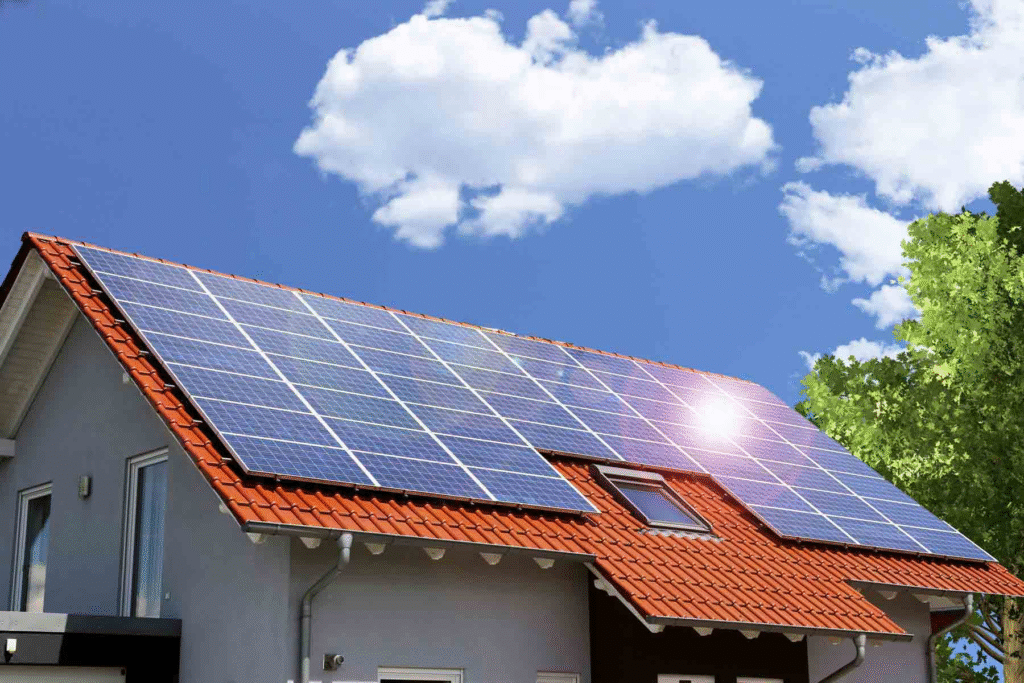
Residential solar panels are devices installed on homes to generate electricity from sunlight. They use the photovoltaic (PV) effect to convert sunlight directly into electrical energy. Most panels are made of silicon, which is a semiconductor material. When sunlight hits the panel, it excites electrons, creating a flow of electricity that can power household appliances.
Homeowners in Nigeria are increasingly adopting residential solar panels as a reliable alternative to grid electricity, especially due to frequent power outages and high electricity costs. Residential solar systems help reduce monthly utility bills, promote energy independence, and lower carbon emissions.
Types of Residential Solar Systems
| System Type | Description | Benefits |
| Grid-tied | Connected to the national electricity grid, does not use batteries. Excess power can be exported to the grid (net metering). | Lower cost, simpler installation, and access to grid backup. |
| Hybrid | Connected to the grid but also includes battery storage. Stores excess energy for later use. | Energy security can use stored power during outages. |
| Off-grid | Completely independent of the national grid, relies entirely on batteries. | Full energy independence is ideal for remote areas without reliable grid access. |
Residential solar panels in Nigeria are regulated under the Nigerian Electricity Regulatory Commission (NERC), which ensures system safety, efficiency, and compliance with local standards. For more information on NERC regulations, visit the NERC Official Site.
Components of a Residential Solar Panel System
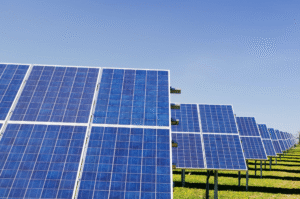
A residential solar system includes multiple components working together to provide electricity efficiently. Each part has a unique function:
| Component | Function |
| Solar Panels | Capture sunlight and generate DC electricity. |
| Inverter | Converts DC electricity from panels into AC electricity usable by home appliances. |
| Racking & Mounting | Secures panels to the roof and ensures optimal tilt and angle for sunlight exposure. |
| Electrical Wiring | Connects panels, inverter, and the home electrical system safely. |
| Net Meter | Measures electricity generated and tracks power drawn from the grid (for grid-tied systems). |
| Battery Storage | Stores excess electricity for use when sunlight is not available (hybrid or off-grid systems). |
| Charge Controller | Protects batteries from overcharging and extends battery lifespan. |
GVE Group offers high-quality residential solar solutions with professional installation and support. Their systems comply with NERC guidelines and are tailored for Nigerian homes, ensuring efficient and reliable solar energy generation.
Residential Solar Panel Costs
Residential solar panels are an investment that depends on system capacity, equipment quality, and installation. GVE Group offers practical packages to fit different home energy needs.
| System Capacity | Typical Appliances Supported | Notes |
| 1.5 kVA | LED bulbs, Fans, TV, Decoder, Fridge/Freezer, Phones/Laptops | Best for small apartments; energy management recommended |
| 2.5 kVA | Above + Low-watt blender | Suitable for small households needing occasional appliance use |
| 3.5 kVA | Above + Low-watt iron or blender | Medium energy requirement; stagger appliance usage |
| 5 kVA | LED bulbs, Fans, TV, Decoder, Fridge/Freezer, Phones/Laptops, Blender, Iron, Microwave, 1 AC, 1.5 hp Water Pump/Heater | Supports larger homes with essential appliances |
| 7 kVA | Above + Inverter AC | Ideal for homes with multiple high-watt appliances |
| 10 kVA | Above + 2 Inverter AC units | Covers bigger homes or small businesses |
| 15 kVA | Above + 3 Inverter AC units | High-energy-demand homes |
| 20 kVA | Above + 4 Inverter AC units | Large homes or commercial use |
| 25 kVA | Above + 5 Inverter AC units | Maximum capacity for heavy consumption homes |
![10 Best Solar Companies in Lagos [Updated]](https://gve-group.com/wp-content/uploads/2026/02/image-300x150.png)
Average Installation Costs by System Size
GVE Group’s packages start from affordable small systems (~1.5 kVA) for basic needs up to 25 kVA for large households or small commercial use. Prices vary based on equipment, installation location, and appliance needs.
Contact GVE Group for a precise quote:
Meanwhile, see a good inverter installation price breakdown
| Component | Percentage of Total Cost | Description |
| Solar Panels | 30% | Main source of electricity generation |
| Inverter | 15% | Converts DC electricity to AC |
| Racking & Mounting | 5% | Secures panels to the roof |
| Wiring & Electrical | 10% | Connects system safely to home grid |
| Labor & Installation | 20% | Professional setup and system configuration |
| Permits & Overhead | 10% | Fees, NERC compliance, and operational costs |
| Contingency & Misc | 10% | Batteries (if hybrid/off-grid) or additional equipment |
Factors Affecting Cost:
- Roof type and size
- Location and solar exposure
- System capacity required
- Appliance energy consumption
- Equipment brand and quality
Financing Residential Solar Panels
GVE Group supports different financing methods to make residential solar panels more accessible:
- Cash Purchase: Immediate ownership, maximum savings, and minimal long-term cost.
- Solar Loans: Spread payments over time while owning the system; interest and fees apply.
- Leases & Power Purchase Agreements (PPAs): No upfront cost; pay for energy used monthly. Ownership remains with GVE until full payment.
Tips for Financing:
- Compare monthly savings vs. loan repayment to determine real benefit.
- Larger systems (7 kVA+) may require staggered appliance use to optimize efficiency.
- Financing can influence home resale value; ownership provides better returns than leases.
GVE Group Contact:
- Phone: +234 909 222 7483
- Email: info@gve-group.com
- Visit: GVE Packages

Benefits of Residential Solar Panels
Residential solar panels are more than just rooftop equipment, they transform how Nigerian homes use and pay for electricity.
#1. Lower Energy Bills and Long-Term Savings
Many Nigerian households spend a large portion of their income on electricity and generator fuel. Residential solar panels allow homeowners to generate their own power, significantly cutting monthly utility costs. A well-designed solar system can reduce electricity bills by 50%–90%, depending on system size and usage pattern. For example, a typical 5 kVA system installed in Nigeria can save an average household over ₦150,000–₦300,000 per year on energy costs (actual savings vary by electricity tariff and usage). This makes solar a strong long-term investment.
#2. Increased Property Value
Homes equipped with solar systems are often valued higher than comparable homes without solar. Energy security and lower running costs appeal to buyers, improving resale value. Research from the Lawrence Berkeley National Laboratory shows solar installations can increase home sale prices. While this study focuses on the U.S., the trend of higher property value also applies in growing markets like Nigeria, where energy reliability is a premium.
#3. Energy Independence and Reliability
Frequent power outages are common across many parts of Nigeria. With residential solar panels paired with battery storage, homeowners enjoy stable electricity for lights, fans, fridges, TVs, and more, even when the grid fails. This reduces dependence on noisy and costly generators.
#4. Environmental Benefits
Solar energy produces clean power, reducing carbon emissions compared to fossil fuels. The International Energy Agency reports that solar PV systems significantly cut lifecycle carbon emissions. Choosing clean energy helps protect the environment while powering your home.

How to Install Residential Solar Panels
Installing residential solar panels involves planning, technical design, and proper execution. Here’s a practical overview:
#1. Energy Assessment and System Design
Start with an evaluation of your home’s energy usage. GVE Group offers tools like an Energy Requirement Calculator to estimate the right system size. This ensures your solar panels match daily electricity needs.
#2. Site Inspection
A professional will inspect your roof for sunlight exposure, direction, and shading. Ideal installations usually face south or are positioned where sunlight hits longest during the day. Roof quality and pitch determine equipment placement.
#3. Permits and Compliance
Solar systems that tie into the national grid must comply with regulations from the Nigerian Electricity Regulatory Commission (NERC). Approved installers handle permit filings and ensure your system meets safety standards.
#4. Installation Day
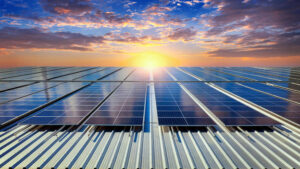
Solar panels are mounted on the roof, inverters and batteries are connected, and all wiring is integrated with your home’s electrical system. A typical residential installation for a 5–10 kVA system can take 2–5 days, depending on complexity.
#5. Testing and Activation
After installation, thorough tests confirm the system works safely and efficiently. Monitoring systems allow homeowners to track solar production and usage in real time.
6. Post-Installation Care
Routine maintenance, like occasional panel cleaning and system monitoring, helps maintain peak performance. Many providers, including GVE Group, offer ongoing support and service packages.
Frequently Asked Questions
What Is the 33% Rule in Solar Panels?
The 33% rule is an informal guideline used when sizing residential solar panels. It suggests adding about 30–35% extra capacity above your normal electricity usage to cover system losses. Solar systems naturally lose some energy during conversion in the inverter, through wiring resistance, battery storage inefficiencies, and heat. For example, if a home consumes 6 kWh daily, an installer may design a system capable of generating about 8 kWh to ensure stable performance. This safety margin helps maintain reliability, especially in Nigeria, where weather and temperature conditions affect output.
What Is the Biggest Problem With Solar Panels?
The biggest concern for many homeowners is the upfront investment. Residential solar panels in Nigeria can cost from about ₦1.5 million for small systems to over ₦15 million for large homes with multiple air conditioners. Battery replacement after several years is another cost to consider. Poor installation can also reduce system performance. Working with experienced providers ensures proper design, quality equipment, and long-term support.
What Is the 20% Rule for Solar?
The 20% rule usually refers to real-world efficiency losses. Solar panels rarely operate at 100% of their rated capacity. Output can drop by 15–25% due to heat, dust, shading, and wiring losses. A 550W panel, for example, may produce around 420–480W under normal Nigerian conditions. Proper system sizing accounts for this expected drop in performance.
How to Calculate How Much Solar You Need?
Calculating the right size for residential solar panels starts with checking your monthly electricity consumption in kilowatt-hours (kWh). Divide the monthly figure by 30 to get daily usage. Then divide daily usage by the average peak sunlight hours in your location. Nigeria receives strong solar radiation, with about 4–6 peak sun hours daily. If a home uses 900 kWh monthly, that equals 30 kWh per day. With 5 peak sun hours, the home would need roughly a 6 kW solar system.
What Reduces the Efficiency of Solar Panels?
High temperatures, dust accumulation, shading from buildings or trees, incorrect panel tilt, and aging components all reduce efficiency. Nigeria’s hot climate makes airflow and proper mounting very important. Regular cleaning and professional installation help maintain optimal output.