
Imagine running your home or business in Nigeria and planning your day around the next power outage. Your freezer needs to stay cold, your office needs to keep working, and your business cannot afford hours without electricity. The World Bank notes that more than 80 million Nigerians lacked access to electricity in recent estimates, while many connected customers still face frequent outages. Nigeria’s growing use of standalone solar and mini-grid solutions shows why reliable energy alternatives matter.
Choosing solar, however, comes with its own challenges. You need the right panel capacity, inverter, battery storage, and system design for your actual energy needs. A poorly designed installation can leave you with insufficient backup, wasted capacity, or unnecessary costs. You also need an installer who understands Nigeria’s climate, power conditions, and the demands of homes and businesses.
This guide helps you make that decision with confidence. We’ll explain what to look for in a solar installation company, how to assess system quality, and what separates a reliable provider from a company that simply sells equipment. At GVE Group, we combine solar system design, quality components, professional installation, and ongoing support to help Nigerian homes and businesses build dependable power solutions suited to their needs.
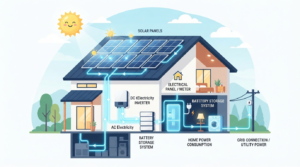
What Makes a Solar Installation Company Reliable?
Choosing a solar installation company involves more than comparing prices. A reliable provider should understand your electricity needs, recommend suitable equipment, install the system properly, and remain available after the project.
Experience and Technical Expertise
Look for a company with experience handling systems similar to yours. A home, hotel, factory, and rural community can have very different energy requirements.
A capable team should understand system design, solar equipment, battery storage, electrical protection, and the conditions that affect performance in Nigeria. Previous projects can also help you assess the company’s practical experience.
Quality of Solar Equipment
Good installation cannot compensate for poor-quality equipment. Ask about the brands, specifications, warranties, and expected service life of the panels, inverter, and batteries included in your proposal.
A good provider should also explain why specific equipment suits your energy requirements instead of simply offering the cheapest available option.
Proper System Design and Site Assessment
A dependable company should assess your property and electricity consumption before recommending a system. The assessment should consider your appliances, operating hours, available installation space, shading, and the amount of backup power you need.
This approach helps prevent a common problem in the Nigerian market: paying for a system that cannot comfortably handle the loads you expected it to support.
Installation, Testing and After-Sales Support
The work should not end once the panels and inverter are installed. A professional provider should test the completed system, explain how it works, and provide information about maintenance and warranties.
After-sales support also matters. Battery performance, inverter faults, monitoring issues, and other problems may require professional attention later.
For electrical safety, customers can also check the Nigerian Electricity Management Services Agency (NEMSA) resources, which include directories for certified electrical installation companies and renewable energy companies. NEMSA also provides services related to competency certification and inspections.
GVE Group provides solar solutions for residential, commercial, and other energy applications. Its residential offering focuses on assessing energy needs and developing solar installations around those requirements.
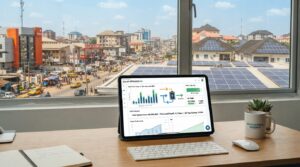
Solar Installation Services Available in Nigeria
Solar solutions in Nigeria serve different users, from households that need backup power to businesses and communities that require larger energy systems.
#1. Residential Solar Systems
Residential systems can provide electricity for essential household appliances and reduce dependence on the public grid or petrol and diesel generators.
The system size should reflect the appliances you want to run, how long you use them and how much backup energy you require.
#2. Commercial and Industrial Solar Systems
Businesses often have higher and more consistent energy demands. Shops, offices, hotels, hospitals, factories, and other facilities can use larger solar and battery systems to support their operations.
Some providers also offer energy audits, system monitoring, maintenance and financing options for commercial customers.
#3. Off-Grid Solar Systems
Off-grid systems operate without relying on the public electricity network. They can serve homes, businesses, and facilities in areas with limited or no grid access.
The system normally combines solar generation with energy storage and suitable power-conversion equipment.
#4. Hybrid Solar Systems
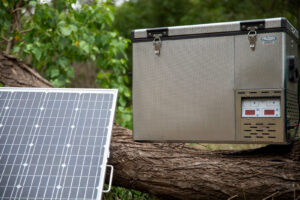
Hybrid systems combine solar with battery storage and another electricity source, such as the public grid or a generator.
This setup gives users more flexibility. Solar can supply available energy during the day, while batteries can provide stored energy when solar production falls. The grid or generator can serve as another source when required.
#5. Solar Mini-Grids and Rural Electrification
Solar mini-grids can supply several customers within a defined area and can help extend electricity access to underserved communities.
The Nigerian Electricity Regulatory Commission (NERC) currently regulates mini-grids under its Mini-Grid Regulations 2026. The current framework covers isolated and interconnected mini-grids, including registration, permits, technical requirements, and operational obligations.
NERC states that isolated mini-grids can have installed capacity of up to 5 MW per site, while interconnected mini-grids can reach up to 10 MW per site under the 2026 framework. Specific projects must meet the applicable regulatory requirements.
5 Solar Installation Companies in Nigeria to Consider
Nigeria has many solar providers, so there is no single company that suits every customer. The right choice depends on your location, system size, budget, equipment requirements, and the level of support you need.
The companies below have publicly documented solar-related services and projects in Nigeria.
#1. GVE Group
GVE Group provides renewable energy solutions across residential, commercial, and community applications.
Its services include residential solar solutions, commercial and industrial projects, rural electrification, and utility management. GVE also has documented experience with solar mini-grid projects in Nigeria.
For homeowners, GVE’s residential offering focuses on designing solar installations around the customer’s energy requirements rather than using one standard system for every property.
Why Choose GVE Group for Solar Installation in Nigeria?
Solar Solutions for Homes and Businesses
GVE Group provides reliable solar solutions designed to help Nigerian homes and businesses reduce dependence on unstable grid power and maintain dependable electricity.
Custom System Design
We assess your energy needs, available space and power demands before recommending a solar system that fits your property and budget.
Professional Installation and Support
Our team handles solar installation with proper system configuration, testing and ongoing support to help your system perform reliably.
Experience Across Nigerian Communities
GVE Group brings practical clean-energy experience to projects across Nigeria, delivering solar solutions suited to different energy needs and locations.
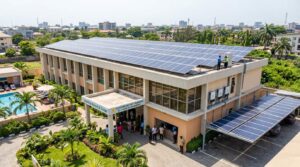
#2. Gennex Technologies
Gennex Technologies provides solar products and installation services for residential and commercial customers in Nigeria. Its published services include system design, installation and maintenance, as well as on-grid and off-grid solutions.
The company also publishes examples of residential and commercial solar projects, including installations for businesses and homes in different parts of Nigeria.
#3. Arnergy
Arnergy provides solar solutions for homes and businesses, with systems that combine solar panels, batteries, and energy management technology.
Its residential offering includes different system options, while its platform provides customers with tools for monitoring energy use and system performance. Arnergy also states that it has deployed solutions across Lagos, Abuja and Port Harcourt.
#4. Daystar Power
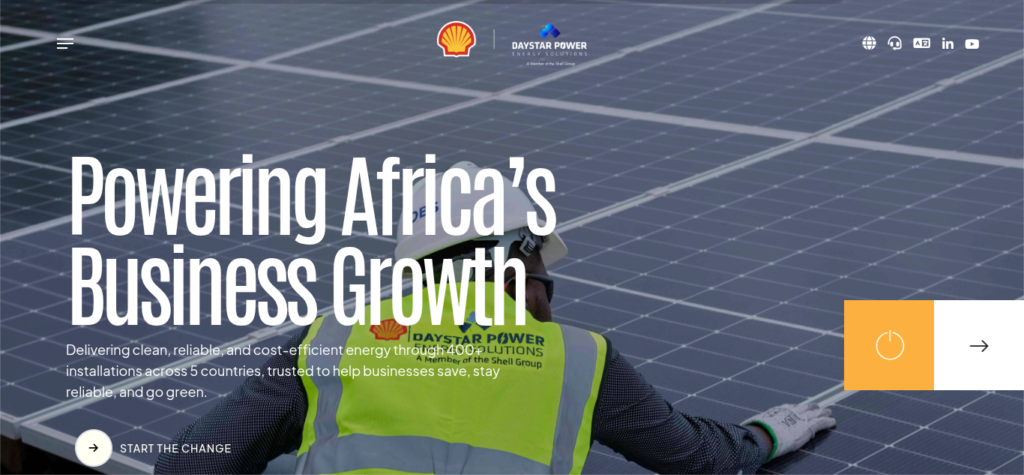
Daystar Power focuses strongly on commercial and industrial energy solutions. Its services include solar installations, hybrid systems, battery storage, EPC services, monitoring and maintenance.
The company reports more than 400 installations across five African countries and more than 150 MW of capacity on its current website. Its project portfolio includes solar installations for major Nigerian businesses.
5. Rubitec Nigeria
Rubitec Nigeria operates in renewable energy, with services covering solar, inverter and backup systems, as well as larger renewable energy projects. Its documented areas of expertise also include EPC and sub-EPC services for large-scale solar PV projects.
A Rural Electrification Agency document also records Rubitec’s work around solar-powered agricultural systems, including system design, installation and after-sales support.
Frequently Asked Questions
How much does solar installation cost in Nigeria?
The cost depends on your energy needs, system capacity, battery size, equipment quality, and installation requirements. A small home backup system will cost less than a system designed to power most of a large house or business. A professional assessment gives you a more accurate estimate.
How long does a solar installation take?
A typical residential project can take anywhere from a day to several days, depending on the system size, property layout, and installation requirements. Larger commercial projects can take considerably longer.
How many solar panels does a Nigerian home need?
There is no fixed number. The required panels depend on your electricity consumption, panel capacity, available sunlight, battery requirements, and inverter capacity. A solar installer should calculate the appropriate system size after assessing your loads.
Can solar power run a whole house?
Yes, a properly designed system can supply most or all household loads. The required capacity depends on the appliances you want to operate and how long you need them to run. GVE Group can assess your home’s energy needs and design a suitable residential solar solution.
How long do solar batteries last?
Battery lifespan depends on the battery technology, usage, temperature, charging pattern and maintenance. Modern lithium batteries generally offer a longer usable life than many older battery technologies, but the manufacturer’s specifications should guide your expectations.
Can I expand my solar system later?
Yes, some systems allow future expansion. Your installer should consider additional panels, batteries, inverter capacity and available installation space during the original design. GVE Group can help design residential systems around current and future energy requirements.
Does solar work during cloudy weather?
Yes. Solar panels can still produce electricity under cloudy conditions, although their output normally falls when less sunlight reaches the panels. Battery storage can help maintain power when solar production drops.