
You finally install a prepaid meter, hoping to control your electricity spending. Then the bills start adding up. Beyond the initial prepaid meter cost, you still face rising electricity tariffs, frequent power outages, and generator fuel expenses. Nigeria’s Electricity Regulatory Commission (NERC) oversees electricity tariffs and metering rules, but having a meter alone cannot guarantee steady power or lower monthly expenses.
For many Nigerian households, every recharge brings another difficult decision. You cut down on appliance use, monitor your remaining units, and still struggle with unreliable supply. Meanwhile, generator maintenance and fuel costs stretch your budget further. Solar power offers another option, although installation costs and system capacity also deserve careful consideration.
This guide explains prepaid meter prices, ongoing electricity expenses, and how solar compares over time. Discover when switching makes financial sense and how GVE Projects Limited can help you explore a solar solution that matches your power needs.
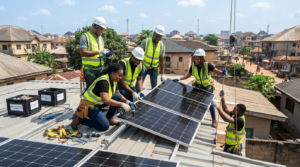
How Much Does a Prepaid Meter Cost in Nigeria in 2026?
The prepaid meter cost in Nigeria varies depending on your electricity distribution company (DisCo), meter type, and approved metering programme. For example, Abuja Electricity Distribution Company (AEDC) published MAP prices starting from approximately ₦102,125 for single-phase meters and ₦172,000 for three-phase meters in June 2026.
However, these prices apply to AEDC’s listed providers, not every electricity customer in Nigeria. Check the latest approved charges through your DisCo or the Nigerian Electricity Regulatory Commission (NERC) before making payments.
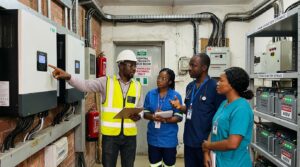
Single-Phase vs Three-Phase Prepaid Meter Prices
Your electricity connection determines the meter type you need.
| Meter type | Typical use | What affects the price |
| Single-phase prepaid meter | Flats, small homes, and shops | Approved meter price, installation arrangements, and applicable taxes |
| Three-phase prepaid meter | Larger homes, offices, and businesses | Higher-capacity equipment, approved price, and connection requirements |
Three-phase meters generally cost more than single-phase meters. However, the applicable 2026 price requires confirmation from your DisCo or electricity regulator. Avoid relying on old online price lists when preparing your budget.
Additional Costs to Consider When Applying for a Prepaid Meter
Your total expenses may extend beyond the meter itself, depending on your connection and the approved programme.
- Electrical repairs: Damaged wiring or unsafe connections may require attention before installation.
- Connection upgrades: Moving from single-phase to three-phase supply may involve separate approved charges.
- Outstanding electricity debt: Your DisCo may require a repayment arrangement for previous bills.
- Future electricity purchases: You must continue buying electricity units after installation.
Always request an official breakdown of applicable charges and avoid paying unauthorised agents.
How to Apply for a Prepaid Meter in Nigeria
You can apply for a prepaid meter through your electricity distribution company. The Meter Asset Provider (MAP) framework allows eligible customers to obtain meters through authorised providers.
Follow these steps:
- Contact your DisCo: Visit its official website or customer service office to find the appropriate metering programme.
- Submit your details: Provide your electricity account number, address, contact information, and any requested identification.
- Complete the inspection: Allow authorised personnel to assess your connection and confirm the correct meter type.
- Make the approved payment, if required: Use only the official payment channel and keep your receipt.
- Schedule installation: Your DisCo or authorised meter provider will arrange installation and activation.
NERC’s MAP guidance provides for installation within 10 working days after full payment, subject to the applicable requirements.
Importantly, NERC’s November 2026 Meter Acquisition Fund (MAF) Tranche C order requires participating providers to supply and install qualifying meters free of charge to customers. Confirm your eligibility before paying anyone.
Why Your Electricity Bills Remain High Despite Using a Prepaid Meter
A prepaid meter helps you monitor electricity consumption, but it does not automatically reduce the amount of power your household uses. Several factors can still increase your monthly spending.
- Electricity tariffs: Higher charges per kilowatt-hour mean your recharge buys fewer units.
- Heavy appliances: Air conditioners, water heaters, and electric cookers can consume substantial electricity.
- Long operating hours: Running appliances throughout the day increases total consumption.
- Poor energy habits: Leaving lights and equipment running unnecessarily wastes electricity.
- Meter or billing problems: Incorrect tariff settings, debt deductions, or suspected meter faults may affect your available units.
For example, a household consuming 300 kWh monthly at an illustrative tariff of ₦200/kWh would spend ₦60,000 before other applicable charges. Actual costs depend on your tariff band, DisCo, and consumption.
You can check tariff information and consumer protection guidance through NERC. If your meter readings appear incorrect, contact your DisCo and request an investigation rather than attempting to adjust the meter yourself.
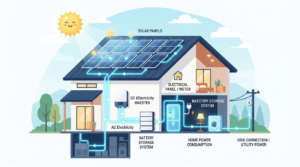
Prepaid Meter vs Solar Power: What Is the Difference?
A prepaid meter measures the grid electricity you consume and deducts the corresponding units from your balance. Solar power generates electricity from sunlight, allowing you to supply some or much of your energy demand independently of the grid.
| Feature | Prepaid meter | Solar power |
| Main function | Measures electricity consumption | Generates electricity |
| Power source | Public electricity grid | Sunlight |
| Initial expense | Meter acquisition cost, where applicable | Solar equipment and installation |
| Ongoing expense | Electricity recharges | Maintenance and possible component replacement |
| During grid outages | Cannot supply electricity independently | Can supply electricity with a suitable system design and storage |
| Long-term benefit | Better consumption monitoring | Potential reduction in grid electricity purchases |
Solar requires a higher initial investment, but a properly sized system can reduce your dependence on purchased grid electricity. The savings depend on your electricity usage, installation cost, available sunlight, and system performance.
For households and businesses considering the switch, GVE Projects Limited provides solar energy solutions tailored to different electricity needs. A professional energy assessment can help determine whether solar offers better long-term value than relying mainly on prepaid grid electricity.
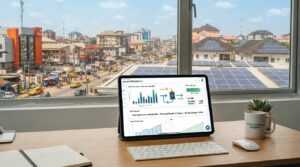
Prepaid Electricity vs Solar Power: Which Costs Less in the Long Run?
Prepaid electricity often requires less money upfront, while solar power can offer greater savings over time. However, the prepaid meter cost alone cannot determine which option saves you more. You also need to consider your monthly electricity consumption, tariff, generator expenses, and solar installation budget.
For example, consider a Nigerian household that spends ₦50,000 monthly on prepaid electricity.
| Cost factor | Prepaid electricity | Solar power |
| Initial investment | Relatively low | Higher upfront investment |
| Annual electricity spending | ₦600,000 at ₦50,000 monthly | Depends on grid electricity still purchased |
| Five-year grid spending | ₦3 million if monthly spending stays constant | Depends on the solar system’s performance |
| Maintenance | Meter and electrical connection upkeep | Panels, inverter, batteries, and other components |
| Long-term savings | Limited to reducing consumption | Potential savings from lower grid and generator use |
The ₦3 million figure represents an illustrative calculation, not a forecast. It excludes tariff changes, meter charges, generator expenses, and other costs.
To estimate your potential savings, compare the total solar installation cost with the electricity and generator expenses the system could eliminate. Also, account for maintenance and future battery replacement.
Nigeria’s Electricity Act 2023 provides a legal framework for electricity generation and renewable energy development.
When Does Switching to Solar Power Make Financial Sense?
Switching to solar power makes financial sense when your expected electricity savings justify the installation and maintenance costs. Your daily power needs and available budget should guide the decision.
Consider solar power when:
- Your monthly electricity expenses remain high: Regular spending on prepaid units and generator fuel may make solar more attractive.
- You experience frequent outages: A properly designed solar and battery system can keep essential appliances running during grid interruptions.
- You operate a business: Shops, offices, and other businesses can reduce generator operating hours and protect productivity.
- You have suitable roof space: Adequate sunlight and a structurally sound installation area can improve system performance.
- You plan to remain at the property: A longer ownership or occupancy period gives you more time to recover your investment.
You can estimate a simple payback period using this formula:
PaybackPeriod=TotalSolarInvestmentAnnualNetSavings
For example, a ₦3 million solar installation that saves ₦600,000 annually after estimated maintenance expenses would have a simple payback period of five years.
However, actual savings depend on system size, electricity tariffs, equipment performance, battery replacement, and usage habits. A professional assessment offers a more reliable estimate than a general online calculator.
How GVE Helps Nigerian Homes and Businesses Switch to Solar Power
Choosing solar power involves more than buying panels and batteries. You need a system that matches your electricity consumption, supports essential appliances, and delivers reliable performance without unnecessary expenses.
We help Nigerian households and businesses explore practical renewable energy solutions through professional engineering and solar power services.
We support your transition through:
- Energy assessment: Evaluate your electricity consumption and identify opportunities to reduce energy waste.
- Solar system design: Determine suitable solar panels, inverters, and battery capacity for your needs.
- Professional installation: Develop and install solar solutions that support your property’s electricity requirements.
- Commercial solar solutions: Help businesses explore alternatives to expensive grid electricity and generator dependence.
- Energy consultancy: Provide technical guidance to support informed investment decisions.
Whether you want to reduce household electricity expenses or improve business operations, GVE can help you assess your options before investing.
Ready to explore solar power? Visit GVE Projects Limited to learn about our renewable energy solutions and discuss your electricity needs.
Frequently Asked Questions
Can I obtain a prepaid meter for free in Nigeria?
Yes. Certain government-supported metering programmes provide qualifying customers with meters without upfront purchase payments. Contact your DisCo to confirm eligibility and availability.
Does a prepaid meter reduce electricity bills?
A prepaid meter helps you monitor electricity consumption, but it does not automatically lower your tariff or power usage. You can reduce spending through efficient appliances, better energy habits, and alternative power sources.
Can I use solar power alongside a prepaid meter?
Yes. A properly configured hybrid solar system can supply electricity from solar panels and batteries while retaining grid electricity as a backup. Your system design determines how these power sources work together.
How long does it take to recover the cost of solar installation?
Your payback period depends on the installation price, electricity consumption, generator expenses, and annual savings. Compare these costs over several years to determine when your investment may pay for itself.
Do solar panels eliminate prepaid electricity expenses completely?
Not necessarily. A hybrid system may still draw electricity from the grid during periods of low solar generation or high demand. An appropriately sized off-grid system can operate independently, although it requires sufficient generation and storage capacity.
Which option works better for a small business in Nigeria?
Your business’s operating hours, electricity demand, and budget determine the better option. Businesses with high daytime consumption or substantial generator expenses may benefit from solar power. A professional energy assessment can clarify the potential savings.